Spicate panic sedge
Carex spicatopaniculata
Description
Spicate panic sedge (Carex spicatopaniculata) is a perennial herbaceous plant belonging to the Cyperaceae family. In agricultural and environmental management, this species is highly valued for its robust root system and its ability to thrive in saturated, wetland-prone soils where other forage crops struggle to establish.
The plant originates from temperate regions of Eurasia, where it is commonly found in wetlands, stream banks, and damp meadows. It is well-adapted to habitats with fluctuating water tables, making it an excellent candidate for ecological restoration and soil stabilization projects in temperate climates.
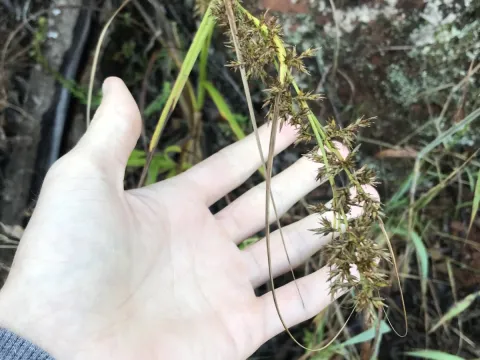
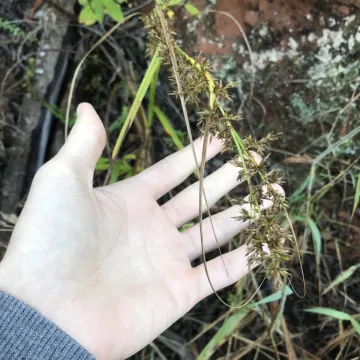
Botanically, this sedge forms dense, compact tussocks with erect stems that can reach heights of nearly one meter. The leaves are narrow and tough, contributing to the plant's structural integrity. The inflorescence is a distinct paniculate spike that provides a characteristic look, significantly differentiating it from other common sedge species found in similar habitats.
Regarding agrotechnics, it requires moist to wet soil conditions and thrives in fertile, loamy, or organic-rich substrates. It is exceptionally winter-hardy and requires minimal maintenance once established. To maximize biomass production, optimal soil moisture must be maintained throughout the growing season, particularly during the spring germination and early development phases.
The main agricultural applications include forage production in low-lying pastures and use as a bio-engineering tool for erosion control. While generally hardy, the crop can be susceptible to rust fungi during periods of extreme humidity and may be attacked by specific sedge-specialized pests. Integrated pest management and ensuring proper site drainage are key to maintaining long-term stand health.
Photo gallery