Orange Sedge
Carex testacea
Description
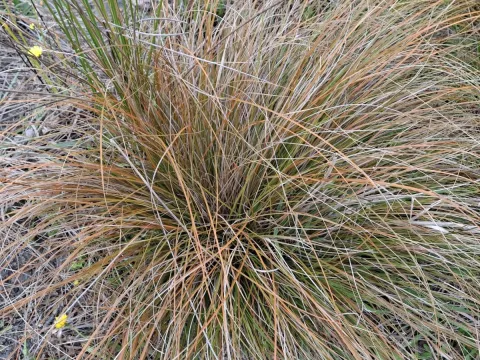
Orange Sedge (botanical name: Carex testacea) is a distinctive perennial plant belonging to the Cyperaceae family. It is widely cultivated for its aesthetic appeal, specifically for its unique foliage that adds vibrant copper and orange tones to natural landscapes and formal gardens.
The plant originates from New Zealand, where it grows in diverse habitats ranging from coastal areas to inland hills. Its popularity as an ornamental crop has spread globally, particularly in temperate regions, due to its low-maintenance requirements and its ability to provide year-round visual interest.
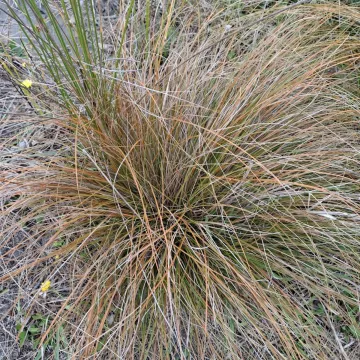
Botanically, Carex testacea is a clump-forming sedge that grows to approximately 40–60 cm in height. Its foliage is evergreen, characterized by fine, arching, hair-like leaves. The color intensity is highly dependent on light levels: while the inner parts of the plant remain olive-green, the tips exhibit a striking metallic orange-bronze hue when exposed to direct sunlight.
In terms of agricultural and horticultural requirements, this sedge thrives in well-drained, sandy or loamy soils. While it can adapt to various conditions, it performs best in full sun to partial shade. The maintenance is straightforward; the primary task is to remove old, dead foliage in late winter or early spring to clear space for the new seasonal growth.
The plant is highly valued for landscaping, erosion control, and container gardening. It is generally resistant to most pests and diseases. However, growers should be cautious about over-watering, as waterlogged soil is the main cause of root rot in this species. Keeping the soil well-aerated is essential for the long-term health of the plant.
Photo gallery