Downy sedge
Carex tomentosa
Description
Downy sedge (Carex tomentosa) is a perennial herbaceous plant belonging to the Cyperaceae family. In agricultural contexts, it serves as an important component of meadow ecosystems, recognized for its resilience and ability to thrive in various temperate environmental conditions.
The species originates from Europe and parts of Western Asia, typically inhabiting meadows, light forests, and semi-arid grasslands. Its natural range demonstrates a high adaptability to different soil types, including calcareous and clay-heavy soils, making it a reliable constituent in diverse grassland communities.
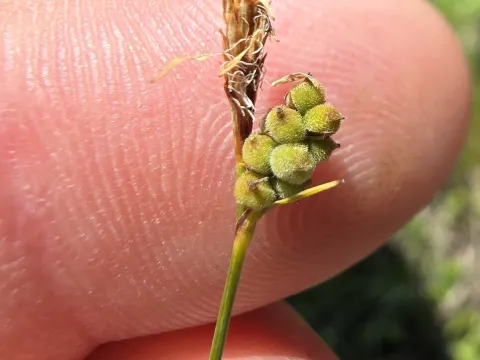
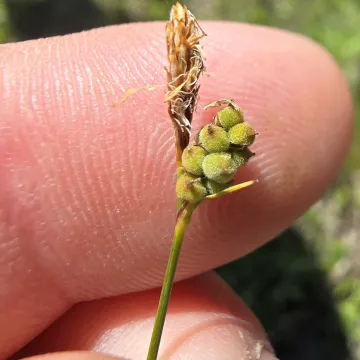
Botanically, it is characterized by its rhizomatous growth habit, which allows for the formation of dense mats. The name refers to the distinctive fine, white, woolly hairs (tomentum) found on its leaves and perigynia. This structural feature is an evolutionary adaptation that helps the plant manage moisture and protect against leaf herbivory.
Agricultural management of downy sedge requires minimal intervention, provided that grazing or mowing regimes are balanced. It performs best in soils with a neutral pH. Due to its robust root system, it is often utilized in conservation agriculture to stabilize soils and prevent erosion in sloping pastures that are prone to runoff.
Regarding its utility, it provides a consistent, albeit moderate, source of forage. While not a high-protein crop, it remains palatable during early growth stages. Typical phytosanitary concerns include fungal pathogens such as rusts, which can occur during humid growing seasons, requiring proper canopy management to ensure air circulation.
- Excellent soil stabilization properties
- High tolerance for varied light conditions
- Rhizomatous growth for rapid spreading
- Resilience to moderate grazing pressure
Photo gallery