
Bladder sedge
Carex vesicaria
Description
Bladder sedge (Latin: Carex vesicaria) is a perennial herbaceous plant belonging to the Cyperaceae family. In agricultural and environmental management, it is recognized as a hardy species suitable for wet habitats, often utilized as a natural forage source in riverside and marshy areas.
The species is native to temperate regions across Europe, Asia, and North America. It is typically found in habitats characterized by high moisture levels, such as bogs, swamps, wet meadows, and the margins of ponds and lakes. Its adaptability allows it to thrive in nutrient-rich sediments that are frequently inundated with water.
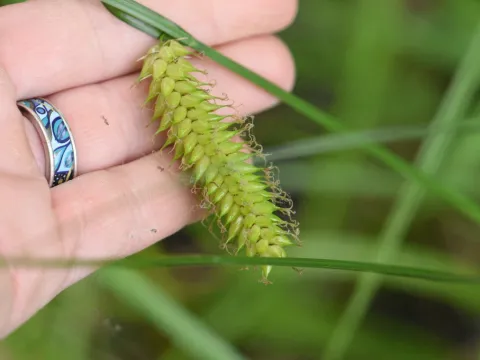
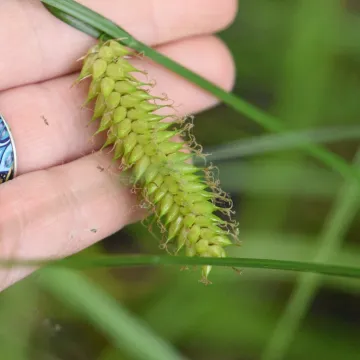
Botanically, it is a rhizomatous perennial that grows in loose tufts, typically reaching heights of 30 to 80 centimeters. Its stems are triangular and smooth, accompanied by bright green leaves. The inflorescence is distinguished by bladder-like, inflated perigynia (the structures enclosing the fruit), which serve as a primary diagnostic feature of the species.
Regarding cultivation and habitat requirements, the plant demands consistent soil moisture. It thrives best in fertile, silty, or peat-based soils with a neutral pH. Unlike many agricultural crops, it tolerates prolonged flooding, which makes it an ideal candidate for soil stabilization in riparian restoration projects or in areas where conventional crops would fail due to waterlogging.
The primary economic use of bladder sedge is as a component of natural pasture and hay production in seasonally wet meadows. When harvested early in the growing season, it provides acceptable nutritional value for livestock. Beyond its role as forage, it is increasingly valued for its ability to filter water and prevent soil erosion in wetlands.
While generally resilient, the plant may face certain agronomic challenges:
- Rust and smut infections under conditions of high humidity and poor air circulation.
- Potential damage from specific wetland insect pests that feed on foliage.
- Reduced vigor if the water table drops significantly for extended periods.
Photo gallery