Carpesium macrocephalum
Carpesium macrocephalum
Description
Carpesium macrocephalum is a perennial herbaceous plant belonging to the Asteraceae family. Known for its significant medicinal properties, it is recognized in agricultural and botanical circles for its specific phytochemical profile and its historical use in traditional pharmacological practices.
The plant originates from East Asia, specifically thriving in regions of China, Japan, and the Korean Peninsula. It typically grows in forest margins and mountainous areas, requiring a climate that provides moderate temperatures and stable humidity levels throughout the growing season.
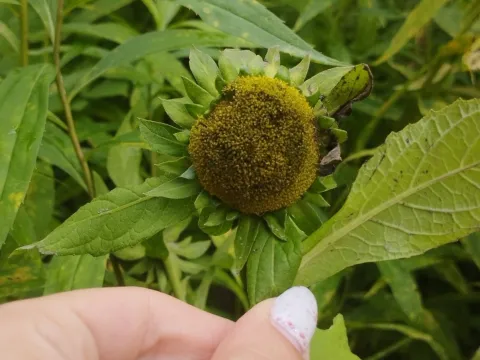
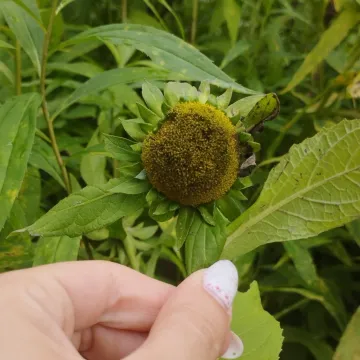
Botanically, it is defined by its robust stem and large, distinctive flower heads. The foliage is generally lance-shaped and contributes to the plant's overall height. During the late summer flowering stage, the plant produces seeds that are essential for the propagation of the next generation of crops.
Cultivation requires fertile, well-drained soil rich in organic matter. Farmers should focus on maintaining a slightly acidic to neutral soil pH. Shade management is crucial, as the plant prefers partial shade rather than direct, intense sunlight, which can scorch the leaves and negatively affect yield.
The primary utility of this crop lies in its application in medicine, particularly for its anthelmintic and anti-inflammatory properties. Typical pests that growers must manage include aphids and spider mites, which can be mitigated through integrated pest management strategies. Proper crop rotation is recommended to prevent soil-borne diseases.
Photo gallery