Casimiroa
Casimiroa edulis La Llave & Lex.
Description
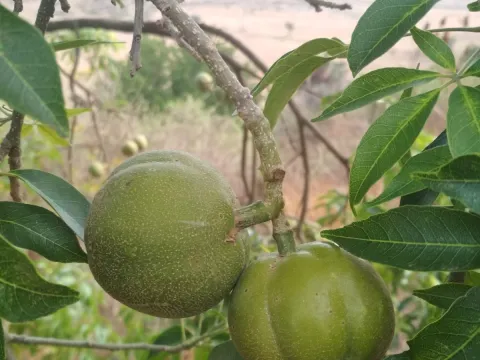
Casimiroa (Casimiroa edulis La Llave & Lex.) is a tropical evergreen fruit tree belonging to the Rutaceae family. Commonly referred to as the white sapote or Mexican apple, it is highly valued for its custard-like, sweet-flavored fruit that often contains hints of peach and vanilla. The tree is an attractive ornamental and a productive agricultural asset in suitable climates.
Native to the highlands of Mexico and Central America, the species has been successfully introduced to various subtropical regions worldwide, including California, South Africa, and Mediterranean climates. It thrives in frost-free or near-frost-free environments, making it a viable crop for warm temperate zones where typical tropical trees might struggle.
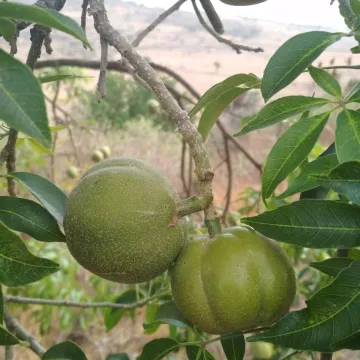
Botanically, Casimiroa is a fast-growing tree capable of reaching heights of 15 meters in the wild, though it is often pruned to smaller sizes in orchards. It features palmately compound leaves and small, yellowish-green flowers. The fruit is technically a drupe, which turns from green to a yellowish-green when ripe, signaling that it is ready for harvest.
Cultivation requires well-drained, fertile soil. The tree is moderately drought-tolerant once established but performs best with consistent irrigation during the fruit-development stage. It is sensitive to waterlogged conditions, which can lead to root rot. Ideally, the trees should be planted in a location that receives full sun and is protected from strong, drying winds to ensure healthy foliage and fruit quality.
Commercially, white sapote is a niche crop because the ripe fruit has a short shelf life and is prone to bruising, making international export difficult. Consequently, it is mostly consumed locally or sold in specialized farmers' markets. Growers must remain vigilant against pests such as fruit flies and various scales, and implement proper pruning techniques to manage canopy density and encourage better airflow.
Photo gallery