Cassia aculeata
Cassia aculeata
Description
Cassia aculeata is a perennial shrub species belonging to the Fabaceae family. As a leguminous crop, it is highly valued in sustainable agriculture for its nitrogen-fixing capabilities, which enhance soil fertility and support the growth of neighboring vegetation in agroforestry systems.
Originating from the tropical regions of South America, this plant is well-adapted to environments with distinct dry and wet seasons. Its current distribution spans several tropical and subtropical regions globally, where it is utilized for land reclamation, erosion control, and as a component of diverse agricultural landscapes.
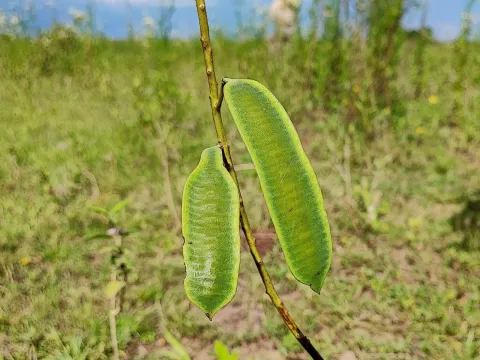
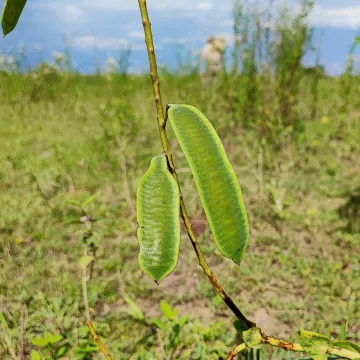
Botanically, it is characterized by a shrubby growth habit with distinct prickles or thorns on its branches, which serve as a natural defense mechanism. The leaves are pinnate, and the plant produces showy yellow flowers typical of the genus. Following pollination, it develops pods containing seeds that facilitate efficient reproduction and colonization of vacant or disturbed areas.
The cultivation of this crop requires full sun exposure and well-drained soils to prevent root rot. While it displays notable drought tolerance once established, consistent moisture is necessary during the early stages of growth to ensure healthy canopy development. Proper management involves periodic pruning to maintain shape and ensure that the plant does not become overly invasive in the cultivation area.
Economically, the plant is primarily used as a green manure crop to enrich soil nitrogen content and as a physical barrier in the form of hedges. In some regions, it is studied for its chemical profile for potential medicinal applications. Common challenges in field management include fungal pathogens that emerge during prolonged rainy seasons and occasional infestations by lepidopteran larvae that feed on the foliage.
Photo gallery