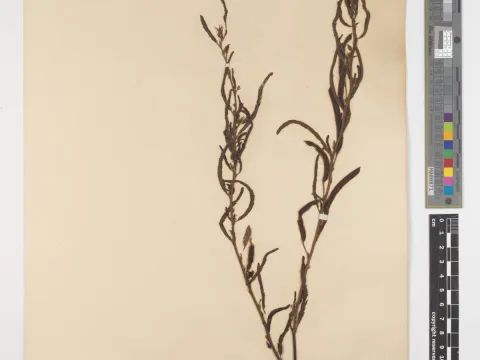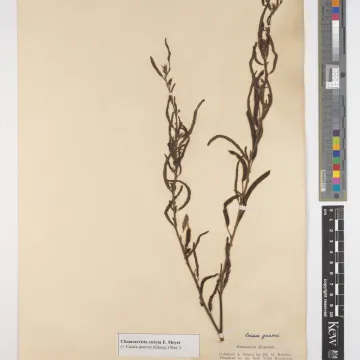

Cassia quarrei
Cassia quarrei
Description
Cassia quarrei is a perennial herbaceous plant belonging to the Fabaceae family. It serves as an interesting subject for botanical research due to its unique ecological adaptations within the African savanna ecosystems, demonstrating significant resilience to seasonal environmental stress.
Originating from Central and Southern Africa, specifically within regions such as the Democratic Republic of the Congo and Angola, the species is native to tropical landscapes. Its range is determined by specific soil types and altitude levels that support its growth during the alternating rainy and dry seasons characteristic of its native habitat.
The botanical structure of Cassia quarrei features pinnately compound leaves and distinct yellow inflorescences. Its root system is particularly notable for its ability to anchor the plant in nutrient-poor substrates, allowing it to survive in areas where other species might fail to establish themselves effectively.
Cultivation requirements involve high thermal accumulation and well-drained soil conditions. Agronomic practices for this crop emphasize the prevention of waterlogging, which is detrimental to the root health of this legume. Consistent monitoring of soil pH is recommended to ensure optimal nutrient uptake, particularly nitrogen fixation.
The primary uses of Cassia quarrei include potential applications in agroforestry, soil enrichment, and traditional medicinal practices. Growers should be aware of the following challenges:
- Infestations by foliage-feeding beetles and aphids.
- Fungal infections caused by high humidity during the rainy season.
- Nutrient deficiencies in highly acidic or depleted soils.
Ongoing research focuses on its yield stability and potential for integration into sustainable farming systems. Understanding its disease resistance profile is crucial for future large-scale cultivation and germplasm conservation efforts.
Photo gallery