
Cassiope ericoides
Cassiope ericoides
Description
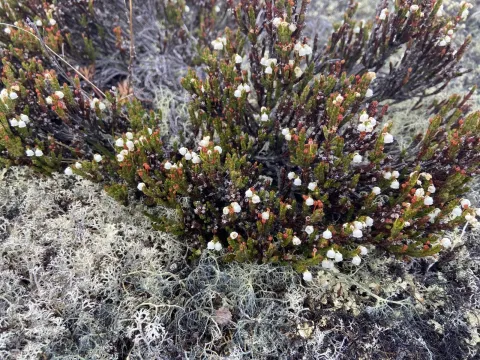
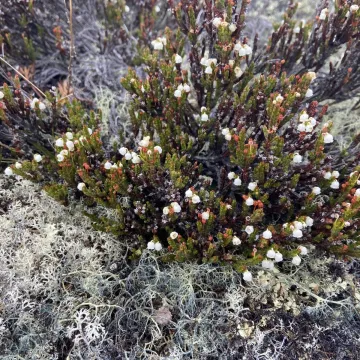
Cassiope ericoides is an evergreen, dwarf shrub belonging to the Ericaceae family. Known for its aesthetic appeal in rock gardens and alpine landscapes, this plant forms dense, low-growing mats that mimic the appearance of moss or heather, making it a popular choice for specialized botanical collectors.
Native to the harsh mountainous regions of Eastern Siberia and the Russian Far East, the plant is naturally adapted to cool, acidic environments and rocky screes. Its evolutionary history in subarctic climates necessitates specific environmental conditions, particularly the need for stable, cool root temperatures throughout the growing season.
Botanically, it features small, overlapping, scale-like leaves that are tightly packed along the stems. During its flowering season, the plant produces elegant, solitary white bell-shaped flowers that hang gracefully, providing a stark contrast to its dark green, needle-like foliage. The plant maintains a slow growth rate, ensuring it remains compact and suitable for small spaces.
Cultivation requires acidic, well-draining, and humus-rich soil. It thrives in locations that offer partial shade and protection from the intense heat of the afternoon sun. Soil moisture is critical; while the substrate must remain consistently moist, the roots are highly susceptible to rot if drainage is insufficient, especially in regions with heavy summer rainfall.
Management of the plant involves regular monitoring for potential pests such as spider mites, which can proliferate during dry, warm spells. Common diseases include fungal pathogens that emerge when ventilation is poor or moisture levels are too high. Regular applications of organic mulch help maintain soil acidity and moisture levels, ensuring the longevity of the plant in garden settings.
Photo gallery