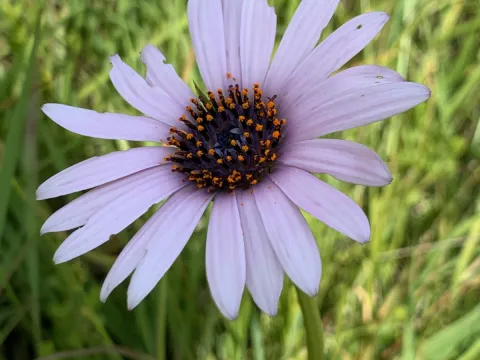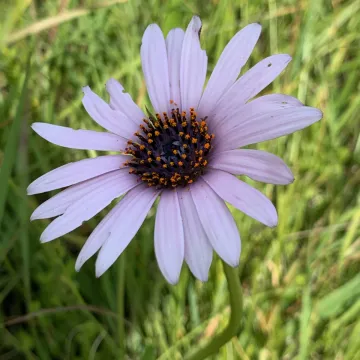
Castalis spectabilis
Castalis spectabilis
Description
Castalis spectabilis is an ornamental herbaceous perennial that belongs to the Asteraceae family. Formerly associated with the genus Dimorphotheca, this species is now recognized for its unique botanical traits and vibrant, daisy-like flower heads. It is highly valued in horticulture for its aesthetic appeal and resilience in specific environmental conditions.
The origin of this species is traced back to South Africa, where it thrives in open, sunny habitats with distinct seasonal rainfall patterns. Its natural distribution is characterized by regions with well-drained soils and high sun exposure. Today, it is cultivated in various temperate climates as a decorative garden plant, prized for its ability to brighten up borders and rockeries.
Botanically, the plant features a semi-shrubby growth habit with alternate, often serrated leaves and a robust root system adapted to water-scarce environments. The flower heads are composed of ray and disc florets, creating a striking visual impact during the peak flowering season. The plant's structure allows it to withstand windy conditions, typical of its native grassland habitat.
Regarding agrotechnical requirements, the plant demands well-drained, sandy or loamy soils to prevent root decay. It is highly photophilous and requires significant sunlight to maintain compact growth and promote profuse flowering. Irrigation should be applied carefully; while established plants show moderate drought tolerance, they perform best when soil moisture is maintained consistently but never waterlogged.
- Light exposure: Full sun is essential for optimal growth.
- Soil type: Sandy, well-draining, neutral to slightly acidic pH.
- Propagation: Primarily by seeds or cuttings during the vegetative phase.
- Maintenance: Regular deadheading helps to extend the blooming period.
The primary use of Castalis spectabilis is in landscape design, specifically for dry gardens, xeriscaping, and container gardening. It is a low-maintenance choice for gardeners looking for long-lasting color. Potential health issues include fungal infections during prolonged periods of high humidity and pest pressures from aphids or spider mites, which can be managed with standard horticultural practices.
Photo gallery