Caulophyllum robustum
Caulophyllum robustum
Description
Caulophyllum robustum, commonly known as a robust blue cohosh, is a perennial herbaceous plant belonging to the Berberidaceae family. It is increasingly recognized in agricultural and botanical circles for its pharmaceutical value. Unlike some of its relatives, this species is highly adapted to the temperate forest climates of East Asia, where it has historically been used in traditional medicine practices.
The plant originates from the damp, shaded woodlands of the Russian Far East, China, and Japan. Its natural habitat is characterized by rich, organic soil and canopy cover, which protects it from extreme heat and direct sunlight. When cultivating this crop, farmers must replicate these woodland conditions to ensure the healthy development of its rhizome system, which is the primary source of its active medicinal compounds.
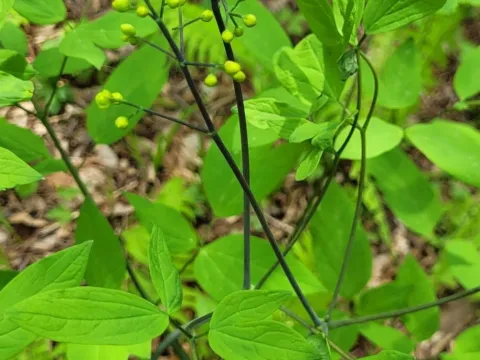
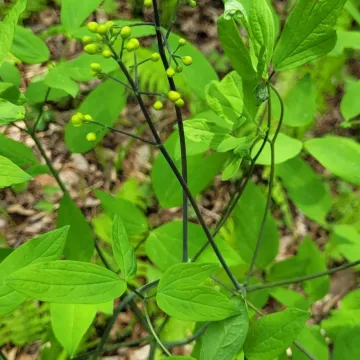
Botanically, Caulophyllum robustum features a robust, knotty rhizome that supports annual stems reaching heights of up to 80 centimeters. The leaves are compound and trifoliate, creating a lush canopy. The plant produces yellowish-green flowers, followed by distinct, fleshy, blue, berry-like seeds that develop after the floral parts wither. Its life cycle is relatively slow, requiring patience during the establishment phase.
For successful production, the plant requires specific environmental management:
- Well-drained, nutrient-dense soil enriched with leaf compost.
- Consistent irrigation to maintain moderate soil moisture levels.
- Strategic planting in partial to full shade locations.
- Regular inspection for soil-borne pathogens or root rot caused by poor drainage.
The economic value of this crop is primarily derived from its high content of alkaloids, which are extracted for pharmaceutical use. It acts as a specialized crop rather than a bulk commodity. Growers should be mindful of pests such as slugs or rodents that may target the rhizomes in forest-fringe environments. Effective disease control relies on balanced moisture management and avoiding the accumulation of standing water in the planting area.
Photo gallery