Caustis blakei subsp. macrantha
Caustis blakei subsp macrantha
Description
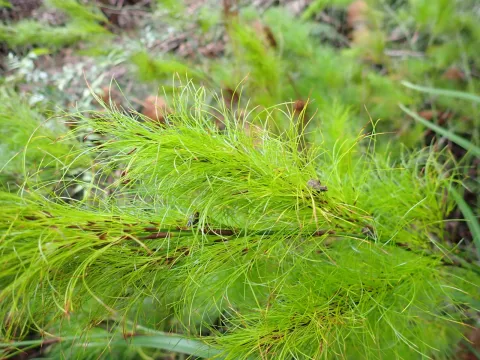
Caustis blakei subsp. macrantha is a perennial herb belonging to the Cyperaceae family. Often referred to by enthusiasts as a "tassel sedge," this plant is prized not for food production, but for its distinct sculptural aesthetic. It is a highly specialized plant that offers a unique structural element in horticultural applications, standing out due to its rigid, rod-like stems and overall minimalist appearance.
The origin of this subspecies is localized within Australia, specifically in coastal regions and sandy heaths. It is naturally adapted to nutrient-poor, sandy environments where it withstands extreme solar exposure and periodic droughts. Its native habitat informs its high tolerance for harsh conditions, making it an excellent candidate for sustainable, low-maintenance gardening in arid and semi-arid climates.
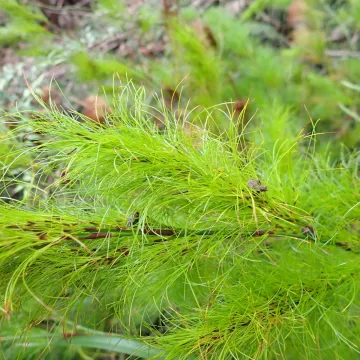
Botanically, it is characterized by its stiff, erect, and cylindrical stems which grow in dense clumps. The root system is deep and fibrous, capable of anchoring the plant in loose, shifting soils. The leaves are largely reduced or sheath-like, focusing the plant's metabolic energy into the durable photosynthetic stems that provide the plant with its iconic, spiky silhouette.
In terms of agricultural and horticultural management, the plant requires excellent drainage to prevent root rot. It thrives in soils that mimic its natural habitat: acidic, sandy, and low in fertility. Over-fertilization is detrimental, as it forces excessive, weak growth that ruins the plant's natural structural integrity. Watering should be infrequent once the plant is established, as it is highly drought-tolerant.
Economically and practically, Caustis blakei subsp. macrantha is used in landscape architecture for xeriscaping and as a focal point in contemporary garden designs. Pests are rare; however, the plant can be susceptible to mealybugs or fungal pathogens if air circulation is poor or if the substrate remains waterlogged for extended periods. Monitoring drainage health is the primary requirement for successful cultivation.
Photo gallery