Cavendishia acuminata
Cavendishia acuminata
Description
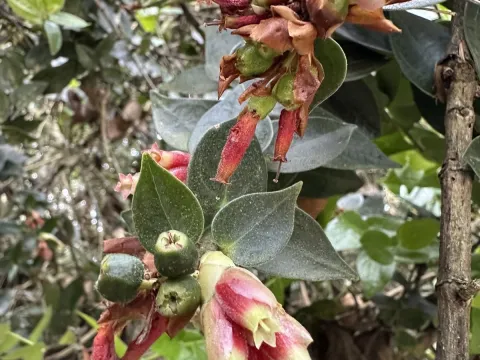
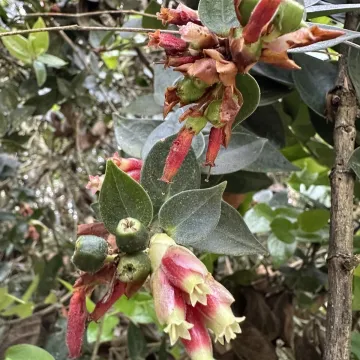
Cavendishia acuminata is a distinct member of the Ericaceae family, widely recognized for its vibrant, ornamental bracts and evergreen foliage. As a tropical shrub that often exhibits epiphytic traits, it has become a specialized subject for conservatory cultivation and botanical collections. The plant is prized for its aesthetic appeal, particularly during the flowering stage when the colorful bracts protect the small, tubular flowers.
The native range of this species is centered in the cloud forests of the Andes in South America, specifically in regions like Colombia and Ecuador. Growing in high-altitude environments, the plant is naturally adapted to cool, moist conditions with consistent rainfall. These specific habitat requirements define its role in agriculture, where it is primarily grown in climate-controlled environments rather than field settings.
Botanically, Cavendishia acuminata is characterized by its coriaceous, acuminate leaves and robust, woody stems. The floral display is the highlight of the plant, consisting of dense racemes shielded by persistent, colorful bracts. These structures not only provide visual interest but also serve as a protective mechanism for the developing flowers, which are typical of the Ericaceae group.
Cultivation requires strict adherence to soil and moisture management. The species thrives in acidic, porous substrates, such as a mix of orchid bark, peat moss, and perlite, which ensures proper drainage and aeration for the delicate root system. Irrigation must be managed carefully, using soft water to prevent the accumulation of minerals that can harm the plant's roots. High humidity levels are non-negotiable for long-term health.
Common agricultural challenges include susceptibility to fungal pathogens, particularly Phytophthora, if drainage is inadequate. Pests such as spider mites and scale insects can also affect the plant in greenhouse environments. Proper sanitation and the maintenance of good air circulation are the primary strategies to prevent outbreaks and ensure the longevity of the plant in a domestic or botanical garden setting.
- Family: Ericaceae
- Growth habit: Evergreen shrub / Epiphyte
- Soil requirements: Acidic, well-draining
- Light exposure: Filtered, bright light
- Main usage: Ornamental horticulture
Photo gallery