
Cayaponia microdonta
Cayaponia microdonta
Description
Cayaponia microdonta is a perennial climbing plant belonging to the Cucurbitaceae family. Recognized for its vigorous growth and distinct morphological traits, this species thrives in tropical environments. It serves as an interesting subject for both botanical study and specialized cultivation in tropical horticultural practices.
Originating from South American regions, this vine has adapted to warm, humid climates with well-distributed precipitation. Its natural habitat is typically found in edges of tropical forests or clearings where it can easily find support for its climbing stems. In cultivation, it requires similar conditions to mimic its natural environment to ensure healthy growth and fruit production.
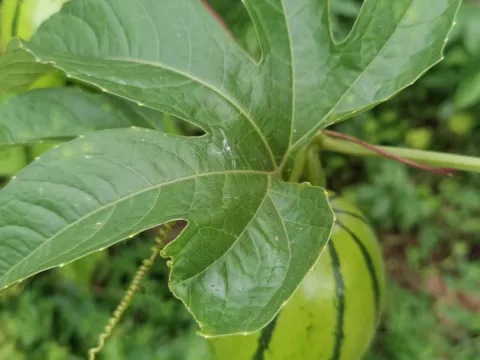
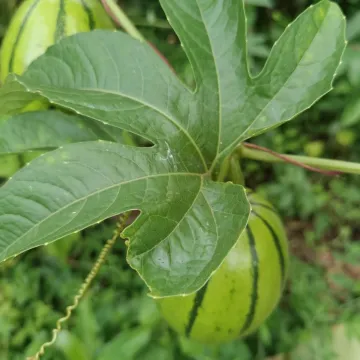
Botanically, Cayaponia microdonta is characterized by its thin, flexible stems equipped with tendrils that allow it to climb effectively. The leaves exhibit a characteristic micro-serrated margin, from which the specific epithet is derived. The flowers are typically dioecious or monoecious, common for the family, leading to the development of small, fleshy fruits that contribute to the plant's unique biological appeal.
Successful cultivation of this plant necessitates deep, nutrient-rich, and well-draining soil. It is highly sensitive to frost, making it suitable only for outdoor cultivation in tropical or subtropical zones, or inside heated greenhouses elsewhere. Proper vertical support is essential to prevent the foliage from matting on the ground, which could lead to increased disease pressure and reduced photosynthetic efficiency.
From an agricultural and хозяйственное standpoint, the plant is primarily appreciated for its botanical diversity and potential medicinal properties found in its phytochemical profile. Typical pests include aphids and mites, which can be managed through sustainable integrated pest management practices. Diseases like powdery mildew can occur if airflow is insufficient, highlighting the need for good canopy management and spacing in planting schemes.
Photo gallery