Caylusea hexagyna
Caylusea hexagyna
Description
Caylusea hexagyna is a herbaceous plant belonging to the Resedaceae family. As an adaptive species native to arid environments, it exhibits unique physiological traits that allow it to thrive in nutrient-poor, sandy soils where water availability is highly inconsistent throughout the growing season.
The plant originates from the arid regions of North Africa and the Arabian Peninsula. Its natural habitat includes sandy deserts, rocky slopes, and wadi beds. It is primarily observed in these wild ecosystems, although its potential for use in sustainable landscaping and land restoration projects is gaining attention among botanists and environmental scientists.
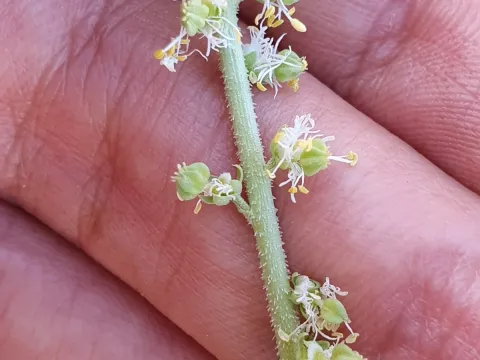
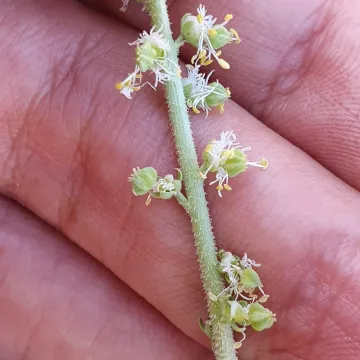
Botanically, it features a characteristic raceme inflorescence with small flowers, typically possessing six stamens, which is a key diagnostic feature. The leaves are generally narrow, helping to reduce transpiration rates in high-heat conditions. Its deep taproot system is essential for reaching groundwater reserves, ensuring survival during prolonged droughts.
In terms of agricultural and environmental requirements, the plant thrives in well-drained, porous soils with minimal organic content. Cultivation protocols suggest keeping irrigation to a bare minimum, as excessive moisture often leads to root rot. High solar exposure is critical for the development of healthy, seed-producing plants.
Its primary practical application is found in phytoremediation and desert greening initiatives, where it acts as a soil binder against erosion. Common pests include various desert locusts and small beetles that feed on foliage, while diseases are rare unless the plant is subjected to poor drainage or high humidity, which can lead to fungal infections.
Photo gallery