Snowbrush ceanothus
Ceanothus cordulatus
Description
Snowbrush ceanothus (Ceanothus cordulatus) is a perennial evergreen shrub belonging to the Rhamnaceae family. This species is an integral component of the chaparral plant community in Western North America. It is widely recognized in horticulture for its resilience, adaptability to poor soil conditions, and its aesthetic appeal during the spring flowering season.
The plant originates from the mountainous regions of California and neighboring areas, thriving in rugged, rocky environments. A key biological advantage of the species is its symbiotic relationship with nitrogen-fixing bacteria (Frankia), which allows it to colonize nutrient-poor soils. This feature makes it an excellent choice for ecological restoration and soil stabilization projects in mountainous terrains.
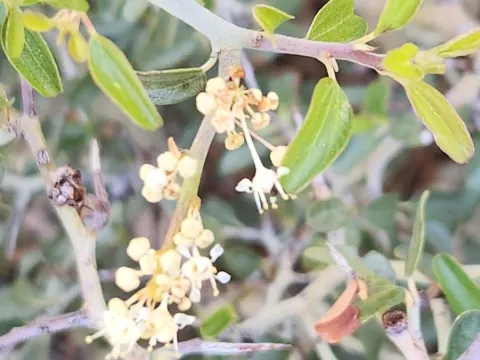
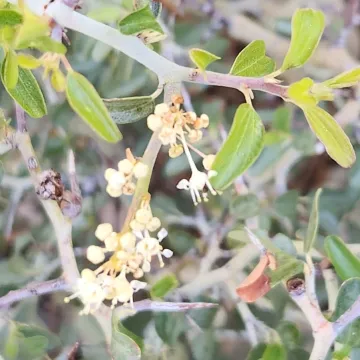
Botanically, the shrub grows as a dense, spreading mound, often reaching heights between 0.5 and 2 meters. Its twigs are somewhat rigid and occasionally spine-tipped. The leaves are ovate to cordate, leathery, and often bear a fine coating of hairs. The plant produces dense, showy inflorescences of small, white or pale-blue flowers that are highly attractive to bees, butterflies, and other pollinators.
Cultivation requirements focus heavily on soil drainage. Ceanothus cordulatus demands porous, sandy, or rocky soil and performs poorly in heavy, waterlogged clay. It requires full sunlight to maintain a compact shape and ensure prolific flower production. It is highly drought-tolerant once established, requiring minimal supplemental irrigation after the first or second season.
Essential management practices for the shrub include:
- Avoiding excessive fertilization, which promotes weak growth.
- Pruning only to remove dead wood or to maintain specific aesthetics.
- Ensuring excellent air circulation to prevent fungal pathogens.
- Applying light mulch to keep roots cool without touching the main stem.
In terms of economic and landscape use, the species is employed for erosion control on slopes, as a hardy ornamental hedge, and as a component of xeriscaping. While generally resistant to major pests, the plant may occasionally face challenges with root rot in improper drainage conditions or spider mites during prolonged heatwaves without sufficient humidity.
Photo gallery