Buckbrush
Ceanothus cuneatus
Description
Buckbrush (scientific name Ceanothus cuneatus) is an evergreen shrub species belonging to the Buckthorn family (Rhamnaceae). This plant is a quintessential component of the North American chaparral biome, recognized for its durability and adaptation to harsh, semi-arid environments where water availability is significantly limited.
Native to western North America, particularly California and Oregon, this shrub naturally populates diverse terrains, from rocky outcrops to open slopes. Its geographic range is governed by its intolerance to severe, prolonged sub-zero temperatures, making it a popular choice for Mediterranean-style climate gardening in various parts of the world.
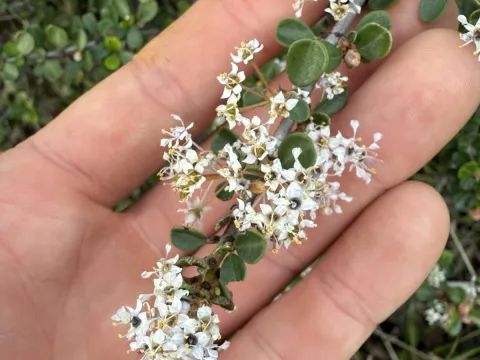
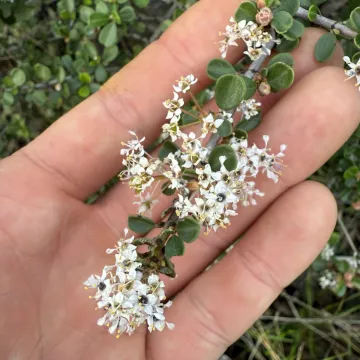
Botanically, the plant is distinguished by its small, opposite, leathery leaves with a distinctive wedge-like shape, which helps minimize moisture loss. During the flowering season, the branches are covered in dense, fragrant clusters of white, pale blue, or lavender flowers, which significantly enhance its ornamental value.
Cultivation requirements for this species are specific: it mandates well-drained, porous soil to prevent root asphyxiation. Unlike many agricultural crops, it thrives in nutrient-poor soils and requires very little fertilization. Establishing a strong, deep root system during the first year is crucial; thereafter, the plant is exceptionally drought-tolerant and requires minimal human intervention.
- Excellent resilience in arid landscapes.
- High sensitivity to overwatering and poorly drained clay soils.
- Natural nitrogen-fixing capabilities improving soil health.
- Moderate pruning required to maintain desired shape.
Host-related uses include erosion control and reforestation of disturbed habitats, as the plant acts as a stabilizer for loose slopes. Furthermore, it serves as an essential ecological role model, providing habitat and food sources for various bird species and pollinators, making it an excellent candidate for sustainable and native-centric landscaping projects.
Pathogenic challenges include fungal diseases such as Phytophthora root rot, which typically occurs in damp, stagnant environments. Pest pressure, primarily from aphids or scale insects, can be observed during the rapid growth phase in spring. Maintaining proper plant spacing and ensuring adequate airflow are the best preventative measures for a healthy, robust shrub.
Photo gallery