Ceanothus fendleri
Ceanothus fendleri
Description
Ceanothus fendleri, commonly known as Fendler's ceanothus, is a low-growing, deciduous shrub belonging to the Rhamnaceae family. It is recognized for its tough, woody structure and spiny branches, which allow it to thrive in the harsh environments of the Western United States mountain ranges.
The plant originates from the high-altitude regions of Colorado, New Mexico, and Arizona. Its native habitat consists of rocky slopes, open pine forests, and foothills. Because it evolved in regions with thin soils and limited rainfall, it has developed excellent drought tolerance and is highly adapted to nutrient-poor substrates.
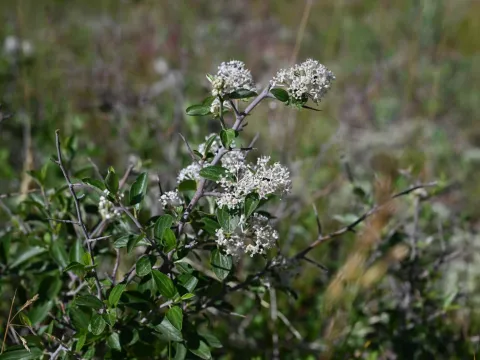
Botanically, the plant is characterized by its small, alternate leaves and dense, fragrant clusters of white to pale blue flowers. The root system is deep and efficient at extracting moisture, while the sprawling habit of the branches makes it an effective ground cover in its native ecological niches.
In terms of cultivation, Ceanothus fendleri requires full sun and exceptionally well-drained, gritty, or sandy soil. It is strictly intolerant of heavy, waterlogged clay soils, which typically lead to fungal root issues. Fertilizer should be used sparingly, as the plant is naturally adapted to survive on very low levels of organic matter.
Maintenance is minimal, consisting mostly of avoiding overwatering and ensuring proper airflow around the plant. Typical pests include spider mites during periods of extreme heat and dryness, while root rot is the primary disease concern. Its primary utility lies in xeriscaping, slope stabilization, and restoring native plant communities in arid or semi-arid climates.
Photo gallery