
Cedrela mexicana
Cedrela mexicana
Description
Cedrela mexicana is a valuable fast-growing deciduous tree belonging to the Meliaceae family. Known in international trade as Spanish cedar, it is one of the most economically significant tropical timber species. Its wood is highly esteemed for its lightweight texture, durability, and pleasant aroma, making it a staple in global timber markets.
The species originates from the tropical forests of the Americas, with a natural distribution spanning from Mexico through Central America to South America and the Caribbean. It thrives in tropical climates characterized by distinct wet and dry seasons, and it is widely cultivated today in tropical regions as a reforestation crop and a component of agroforestry systems.
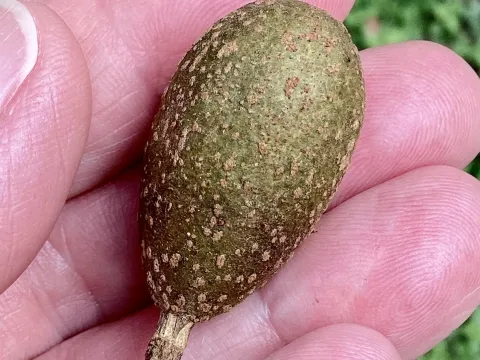
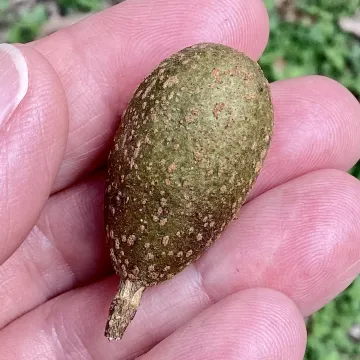
Botanically, Cedrela mexicana is a large, canopy-forming tree that can reach significant heights. Its leaves are pinnately compound, and the tree produces small, fragrant flowers that develop into capsules containing wind-dispersed seeds. The tree has evolved to adapt to varied forest environments, though it requires specific ecological triggers to maintain healthy growth cycles.
Agricultural requirements for this crop focus on soil quality and hydrological balance. The tree demands deep, fertile, and exceptionally well-drained soils; any sign of waterlogging can lead to severe physiological stress and root disease. While seedlings are shade-tolerant, mature trees are heliotropic and require full sunlight to achieve the desired trunk growth and timber density.
The primary use of Cedrela mexicana is in the production of high-value timber, particularly for the guitar industry, cabinetry, and boat building. Its resistance to decay and termites is its most sought-after trait. However, farmers must implement intensive management practices, particularly in controlling the shoot borer Hypsipyla grandella, which remains the most significant biological challenge to its commercial cultivation.
- Selection of well-drained slopes for plantation sites.
- Implementation of shade-management strategies for juvenile trees.
- Regular pruning to prevent branch forks and promote straight trunks.
- Integrated pest management targeting shoot borer larvae.
Photo gallery