Cedrela serrata
Cedrela serrata Royle
Description
Cedrela serrata, commonly known in some regions as the hill cedar, is a prominent tree species belonging to the Meliaceae family. Recognized for its structural integrity and rapid growth, it stands out as a significant biological resource within the mountainous regions of Asia.
The native distribution of this species spans the Himalayas and adjacent mountain ranges across India, Nepal, and Pakistan. It is a resilient plant that has evolved to thrive in high-altitude forest ecosystems, often serving as a pioneer species in natural reforestation processes and establishing itself in various temperate to subtropical microclimates.
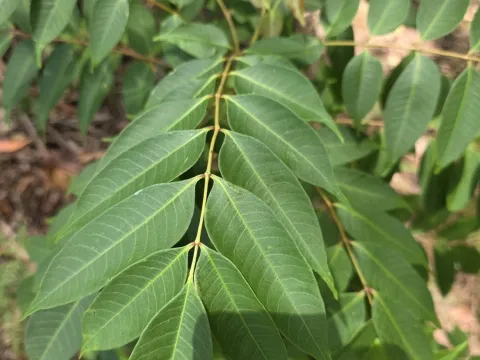
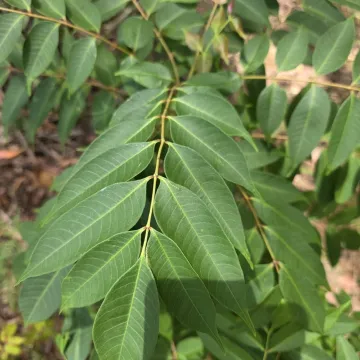
Botanically, the tree is characterized by its distinctively serrated leaflet margins, which distinguish it from other related species. It typically develops a straight, sturdy trunk and a wide-reaching canopy. The plant reproduces via seed-bearing capsules that disperse following the flowering season, ensuring the continued propagation of the species in favorable habitats.
Cultivation of Cedrela serrata requires careful attention to soil composition and water management. It flourishes best in deep, well-draining, and nutrient-rich soils. While the tree shows moderate drought tolerance once established, irrigation is essential during the early developmental stages to ensure robust growth. It generally prefers sunny locations but can adapt to varied light intensities depending on its elevation.
The economic value of this tree is derived primarily from its high-quality timber, which is appreciated for its durability and resistance to decay. Beyond timber production, it is vital for soil conservation efforts and watershed management in mountainous terrains. Growers should be mindful of potential threats, including:
- Wood-boring insects which can compromise trunk integrity.
- Fungal pathogens that thrive in excessively damp soil conditions.
- Defoliating insects that affect young saplings.
Photo gallery