Ceiba erianthos
Ceiba erianthos
Description
Ceiba erianthos is a perennial tropical tree species belonging to the Malvaceae family. Recognized for its structural importance in tropical landscapes, this plant is part of the diverse Ceiba genus, which is widely distributed across the Neotropics, particularly in regions of Brazil characterized by specific climatic cycles.
The plant originates from the tropical savanna and woodland regions of South America. Its natural habitat is defined by a distinct climate with wet and dry seasons, a cycle to which the species has adapted through specific phenological traits, including foliage shedding during prolonged dry periods to conserve vital resources.
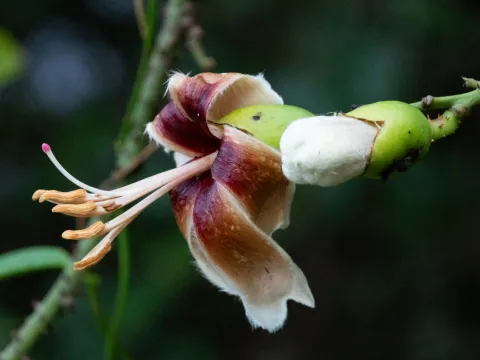
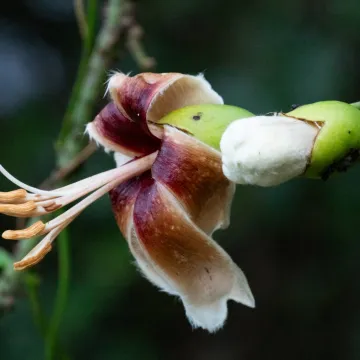
Botanically, the tree exhibits a robust trunk with distinct spiny protuberances in younger specimens. The leaves are palmately compound, and the inflorescences are notable for their dense pubescence, which serves to protect the flowers from environmental stress. These floral traits are crucial for attracting specialized pollinators native to their range.
Agronomic management of Ceiba erianthos requires well-drained soil types and a tropical environment without frost risks. Propagation is typically achieved via seeds, and the crop requires careful monitoring of soil moisture during the establishment phase. While relatively hardy, young trees benefit from protection against pests such as wood-boring insects and fungal pathogens in overly humid conditions.
Economically, the species is valued for its fiber production, harvested from the dehiscent fruits, commonly utilized as high-quality padding material. Additionally, the wood is utilized in carpentry where lightweight material is required. Beyond direct economic output, the tree plays a vital role in local agroforestry systems, providing shade and helping prevent soil erosion.
- Adapted to seasonal tropical climates.
- Commercial source of natural fiber.
- Rapid growth rate in suitable environments.
- Significant ecological footprint in native habitats.
Photo gallery