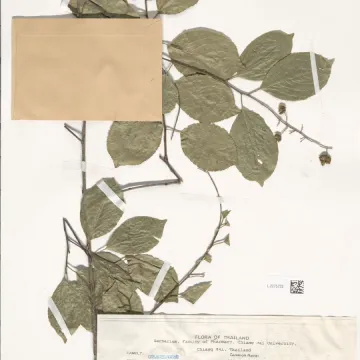

Celastrus dependens
Celastrus dependens
Description
Celastrus dependens is a perennial woody vine belonging to the Celastraceae family. Often utilized in specialized horticulture, it is known for its vigorous climbing habit and ability to cover large areas of vertical space rapidly. As a woody perennial, it possesses robust stems that can endure diverse environmental conditions, making it a reliable choice for long-term cultivation.
The native habitat of this species is centered in East Asia, where it thrives in varied temperate forest ecosystems. The plant is adapted to marginal spaces like forest fringes, where it utilizes climbing mechanisms to gain access to sunlight. Its natural distribution demonstrates a high level of resilience to shifting light levels and competition for resources in its native range.
Botanically, the plant is characterized by simple, alternate leaves and small, often inconspicuous flowers that bloom in clusters. The most distinctive feature is the seed capsule, which splits open to display colorful seeds that are highly attractive to local fauna. The root system is deep and expansive, providing the plant with the structural stability required for its heavy vine mass.
Cultivation requirements involve a well-drained, nutrient-rich soil profile to support rapid seasonal growth. The plant performs optimally in full sun to partial shade. Irrigation should be adjusted according to regional precipitation levels, with extra care during establishment. Pruning is essential to control the vigorous growth habit and to ensure that the vine remains manageable within its designated growing space.
The primary economic use for Celastrus dependens lies in landscaping, soil stabilization, and environmental remediation. By planting these vines on slopes, producers can mitigate soil erosion, as the deep root architecture helps anchor the terrain. Additionally, its aesthetic value makes it a popular plant for architectural screening, pergolas, and naturalistic garden designs that aim to provide habitat for bird populations.
Typical agricultural challenges include:
- Aphid infestations on tender spring growth.
- Scale insects that may compromise bark integrity.
- Fungal infections caused by stagnant air circulation in dense foliage.
- Leaf spot diseases during prolonged humid periods.
Photo gallery