Caucasian hackberry
Celtis glabrata
Description
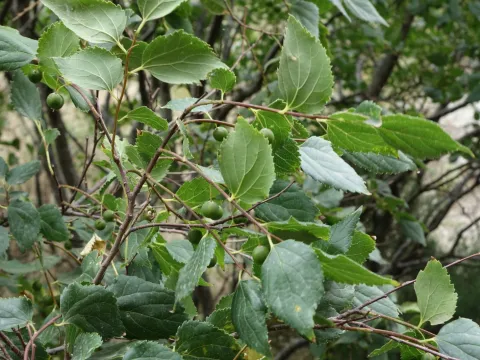
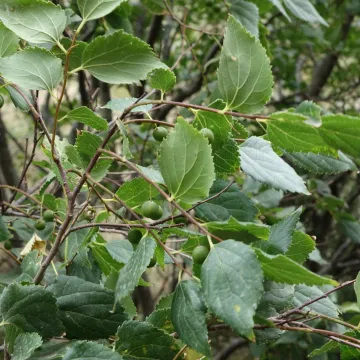
Caucasian hackberry (Celtis glabrata) is a deciduous tree or large shrub belonging to the Cannabaceae family. It is recognized for its exceptional resilience and ability to thrive in challenging, arid environments where other species would fail. In agricultural and silvicultural contexts, it is highly valued for its robustness and soil-binding properties.
The native range of this species extends across the Caucasus, parts of Southeast Europe, and Western Asia. It typically inhabits rocky slopes, scrublands, and dry woodlands. This evolutionary background makes the plant an excellent choice for reforestation projects in regions suffering from water scarcity and extreme summer heat.
From a botanical standpoint, the plant is characterized by its slow-growing habit, durable wood, and distinctive leathery, rough-textured leaves. It produces small, edible drupes that serve as a crucial food source for wild birds. The root system is deep and expansive, which is a key adaptation for moisture extraction in rocky, impoverished soils.
Cultivation requirements are relatively straightforward. The species prefers sunny, well-drained locations and thrives in limestone-rich or sandy soils. Once established, it is remarkably drought-tolerant, requiring minimal intervention. Irrigation is generally only necessary during the first two years post-planting to ensure proper root development and structural growth.
- Excellent drought and heat tolerance.
- Strong root system for erosion control.
- High resistance to common pests and diseases.
- Adaptability to poor, alkaline, and rocky soils.
- Low maintenance and high environmental durability.
The primary agricultural and economic use of the Caucasian hackberry includes the creation of windbreaks, shelterbelts, and the stabilization of steep hillsides. Due to its hardiness and immunity to most local pathogens, it serves as a sustainable option for landscaping and land restoration projects. It remains a low-impact, highly beneficial species for long-term ecological management.
Photo gallery