Celtis gomphophylla
Celtis gomphophylla
Description
Celtis gomphophylla is a perennial woody plant belonging to the Cannabaceae family. Often recognized as a robust species within the Celtis genus, it represents an important component of forest ecosystems, particularly known for its structural strength and ecological adaptability in various tropical and subtropical landscapes.
The native range of this species is primarily focused on the regions of Eastern and Southern Africa. It thrives in diverse environments, ranging from dense tropical forests to more open, dry woodland areas. As a cultivated crop, its distribution is restricted to regions without extreme frost, as the species is adapted to warm, stable climatic conditions.
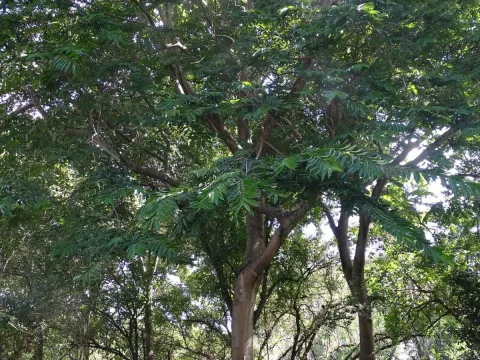
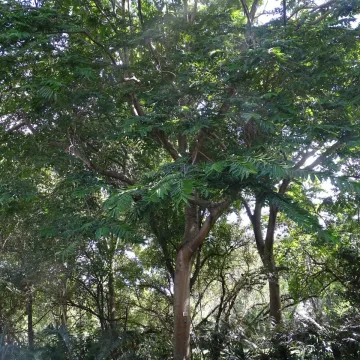
Botanically, it is a significant tree characterized by a strong, straight trunk and a dense canopy. The leaves are typically leathery, providing resistance against moisture loss during hot seasons. The tree produces small, fleshy drupes that are essential for supporting local wildlife and avian populations, which assists in seed dispersal and regeneration of the species.
Regarding agrotechnical requirements, Celtis gomphophylla performs best in well-drained, fertile soils. While it exhibits impressive drought tolerance once established, young plants require consistent watering to develop a deep root system. Maintaining optimal soil drainage is essential to prevent root diseases, as the species does not tolerate waterlogged conditions for extended periods.
The primary economic value of this tree lies in its high-quality timber, which is utilized for construction, tool handles, and cabinetry due to its durability. In addition to commercial forestry, the tree is highly valued for environmental restoration projects, including the creation of windbreaks and shade for livestock in pastoral agricultural systems.
- Excellent durability and density of the wood.
- High tolerance to various soil types once fully mature.
- Significant role in promoting local biodiversity.
- Minimal maintenance required once the plant is established.
Photo gallery