Celtis labilis
Celtis labilis
Description
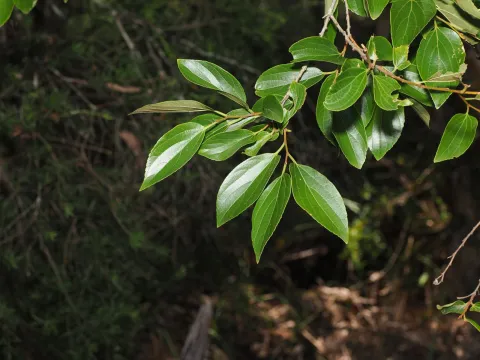
Celtis labilis, commonly referred to as a species of hackberry, belongs to the family Cannabaceae. It is a deciduous tree recognized for its structural integrity and ornamental value in diverse climatic settings. Historically and botanically, it is distinguished from other hackberry species by its specific leaf morphology and bark texture.
The native range of this species is primarily concentrated in the temperate forests of East Asia, specifically within China. It typically grows in montane environments and valley habitats, thriving in regions that provide both seasonal rainfall and adequate natural drainage, which helps in preventing root system saturation.
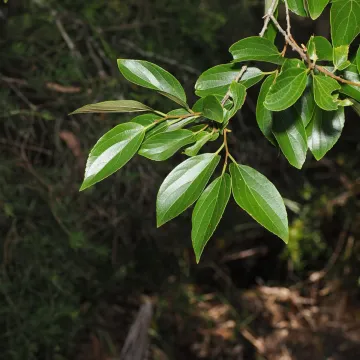
The botanical characteristics of Celtis labilis include a moderately high canopy, usually reaching a height of up to 20 meters. Its foliage is alternate with serrated margins, turning subtle colors during the autumn season. The tree produces small drupe-like fruits, which are essential for supporting local bird populations and wildlife in its natural habitat.
Agricultural and horticultural requirements for Celtis labilis focus on site selection and soil quality. It prefers deep, nutrient-rich, well-drained soils with a near-neutral pH level. While it shows good drought tolerance once established, initial growth stages require regular watering and protection from extreme frost during the first two to three years of development.
The primary utility of the tree encompasses urban forestry, reforestation projects, and landscape architectural design. Due to its robust nature, it is highly resistant to common pests and pathogens that affect other species of the Celtis genus. The wood is also utilized in rural construction and cabinetry for its moderate density and flexibility.
- Resilient against urban pollution.
- Excellent choice for wildlife habitat restoration.
- Moderate growth rate suitable for long-term landscaping.
- Low susceptibility to common fungal infections.
Photo gallery