Celtis rhamnifolia
Celtis rhamnifolia
Description
Celtis rhamnifolia is a tree species belonging to the Cannabaceae family, distinguished by its resilience and unique botanical profile. Often overlooked in general horticulture, it represents an important genetic resource for forestry and ecological restoration in regions with specific tropical or highland climates.
The native distribution of this species is primarily centered in the mountainous regions of East Africa, including countries such as Ethiopia, Kenya, and Tanzania. It typically thrives in afromontane forest ecosystems, demonstrating a strong preference for high-altitude environments. Its ability to colonize diverse landscapes makes it a candidate for reintroduction projects aimed at restoring native forest biodiversity.
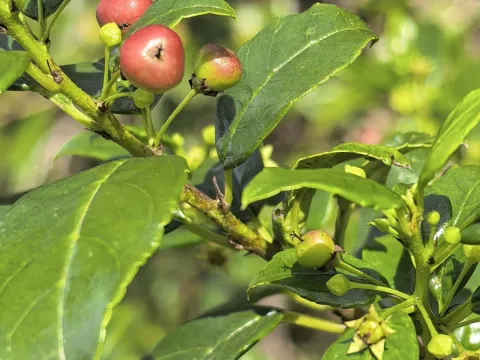
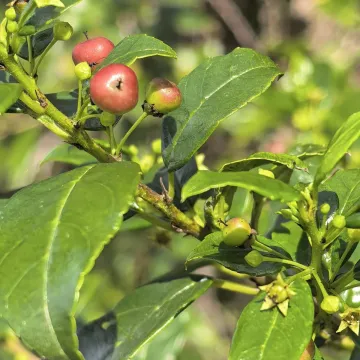
Botanically, Celtis rhamnifolia exhibits a shrubby to tree-like habit with leaves that resemble those of the buckthorn (Rhamnus). The plant produces small, inconspicuous flowers and fruits that are essential for local avian fauna, thus playing a key role in the trophic chain of its habitat. The wood density is generally high, making it mechanically robust and resistant to physical damage.
Cultivation requirements involve selecting sites with well-drained, nutrient-rich soils. While the species is somewhat drought-tolerant, optimal growth is observed in areas with moderate rainfall distribution. Agrotechnical management should focus on maintaining soil aeration and providing sufficient light for juvenile plants to develop a strong vertical structure. Mulching is recommended to retain moisture and improve soil fertility over time.
The practical applications of this species are diverse and include:
- Sustainable timber production for local artisanal and small-scale manufacturing.
- Soil stabilization in high-sloped agricultural lands to prevent nutrient runoff.
- Integration into agroforestry systems as a forage source for ruminant livestock.
- Use in ornamental landscaping, particularly in tropical urban settings for canopy cover.
Typical plant health issues involve susceptibility to wood-boring insects and certain leaf pathogens if the trees are planted in poorly drained areas. Effective management strategies include maintaining appropriate spacing between specimens to promote airflow and implementing an Integrated Pest Management (IPM) approach to minimize the need for chemical intervention.
Photo gallery