Chinese hackberry
Celtis sinensis
Description
The Chinese hackberry (Celtis sinensis) is a deciduous tree belonging to the Cannabaceae family. It is widely recognized for its robust nature and ability to thrive in urban environments. Often used as an ornamental tree, it provides excellent shade and serves as a durable component in both public parks and private landscapes.
Native to East Asia, specifically China, Japan, and Korea, the Chinese hackberry typically inhabits riverbanks, valleys, and forest margins. Its natural adaptability has allowed it to become a staple in many temperate to subtropical climates around the world, where it is valued for its hardiness and overall low maintenance requirements once established.
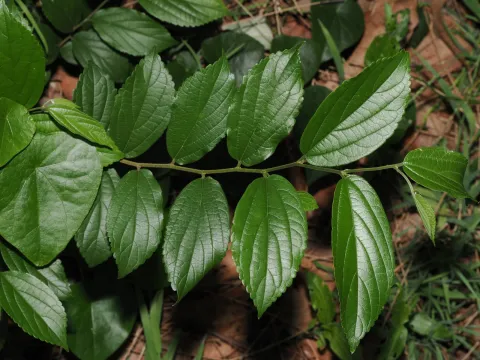
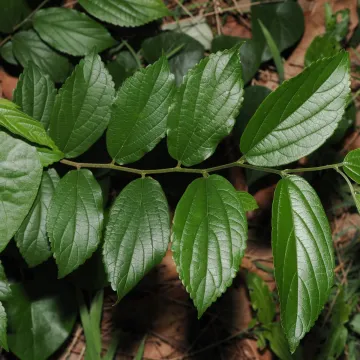
Botanically, the tree features a dense, wide-spreading crown and a sturdy trunk with grey, fissured bark. The leaves are ovate-lanceolate with serrated margins, turning a rich green throughout the growing season. During the spring, inconspicuous flowers bloom, eventually developing into small, round drupes that attract local bird populations, contributing to local biodiversity.
Cultural requirements for Celtis sinensis include full sun exposure for optimal development, although it can tolerate partial shade. It is not overly picky regarding soil types, provided the ground is well-drained and fertile. While mature trees are significantly drought-tolerant, young specimens require consistent irrigation to establish a deep root system. Proper mulching helps to conserve soil moisture and suppress weed growth.
- Regular pruning to maintain shape.
- Deep watering during the first growing seasons.
- Protection from extreme cold in young trees.
- Fertilizing with compost in early spring.
Regarding pests and diseases, the Chinese hackberry is generally hardy, though it may occasionally suffer from aphids or powdery mildew in poor environmental conditions. Proper spacing and airflow usually mitigate these issues. Economically, the tree is highly regarded for its tough wood, which is often used for furniture, tool handles, and construction where flexibility and durability are required.
Photo gallery