Celtis spinosa
Celtis spinosa
Description
Celtis spinosa, commonly known as the spiny hackberry, is a woody perennial plant belonging to the Cannabaceae family. It is a robust species characterized by its thorny branches and compact growth habit, which allows it to thrive in environments where other plant species often struggle to establish.
This species is native to South America, with a broad distribution across regions in Argentina and neighboring countries. It is well-adapted to subtropical climates and diverse habitats, ranging from semi-arid scrublands to forest edges, demonstrating a high degree of resilience to environmental stress and fluctuating weather patterns.
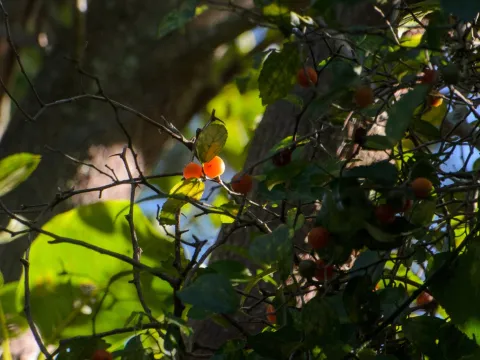
Botanically, Celtis spinosa is defined by its tough wood, serrated leaves, and small, drupe-like fruits. The presence of sharp spines makes it an excellent candidate for natural fencing and wildlife habitat restoration. It generally exhibits a moderate growth rate, focusing on developing a strong root system that can withstand long periods of drought.
Regarding cultivation, this tree requires full sun exposure to maintain its density and healthy foliage. It is highly adaptable to various soil types, provided they offer good drainage. In terms of maintenance, minimal pruning is required, primarily to remove dead wood or to shape the plant for ornamental purposes or as a living barrier.
The economic and practical utility of Celtis spinosa includes its role in soil erosion control, windbreak formation, and landscape gardening. The timber, while not suitable for large-scale construction, is valued for small-scale woodcraft. The species is relatively resistant to pests, though proper management of irrigation prevents moisture-related fungal issues that could affect leaf quality.
Photo gallery