Celtis tala
Celtis tala
Description
Celtis tala is a notable woody plant belonging to the Cannabaceae family. In the field of agriculture and forestry, it is recognized for its significant environmental hardiness and its role in maintaining ecosystem stability in semi-arid regions. It is a vital species in the botanical communities of South America, often defining the structure of local forest landscapes.
The native range of Celtis tala extends across the temperate and subtropical regions of South America, notably Argentina, Uruguay, and southern Brazil. The species is highly adaptive, naturally thriving in areas characterized by seasonal rainfall and significant thermal fluctuations, which demonstrates its robust genetic potential for cultivation in similar climates globally.
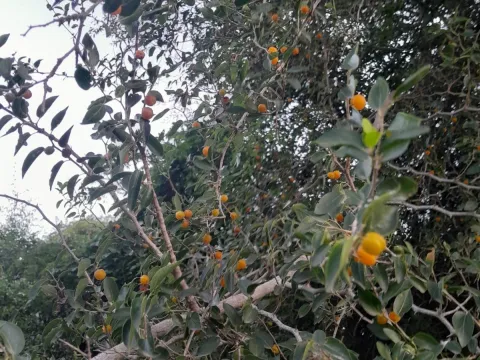
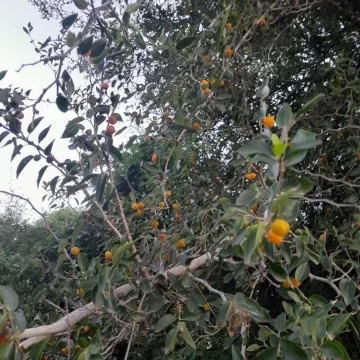
Botanically, Celtis tala is defined by its dense, branching habit and the presence of thorns on its stems, which serve as a natural defense mechanism. The foliage consists of serrated leaves that are well-adapted to reduce water loss, while the tree produces small drupes that provide essential nutritional support for local avian species, thereby aiding in seed dispersal throughout its habitat.
This culture is relatively undemanding regarding soil quality, provided there is excellent drainage. It performs exceptionally well in calcareous and rocky substrates where nutrient availability might be limited for other crops. Proper agrotechnical management involves ensuring adequate sunlight and protection during the early establishment phase to prevent competition from aggressive grass species.
The economic utility of Celtis tala spans several sectors, including construction and environmental restoration. Its wood is highly valued for its density, making it ideal for rural infrastructure, such as fence posts and tool handles. Furthermore, its ability to act as a windbreak and its effectiveness in preventing soil erosion make it an excellent candidate for sustainable land management projects.
- Exceptional drought resistance
- High wood density and durability
- Supports biodiversity through fruit production
- Low maintenance requirements
While generally resistant to most pathogens, Celtis tala can be susceptible to fungal issues if grown in waterlogged environments. Pest management typically involves regular monitoring of young saplings to ensure they are not overwhelmed by local leaf-eating insects. Overall, it remains a low-input, high-resilience species suitable for diverse agroforestry applications.
Photo gallery