Cenchrus divisus
Cenchrus divisus
Description
Cenchrus divisus is a perennial grass species belonging to the Poaceae family. It is widely recognized in agricultural science for its exceptional adaptability to arid and semi-arid environments. This crop serves as a critical biological resource for restoring degraded rangelands and providing fodder in regions where water scarcity limits the cultivation of conventional cereal crops.
The native range of this species covers the hot, dry landscapes of Africa and Asia. Over time, it has established itself as an essential component of the vegetation in tropical and subtropical regions. Its historical importance lies in its ability to colonize sandy soils, making it a valuable tool for farmers dealing with low-fertility soils and unpredictable climate patterns.
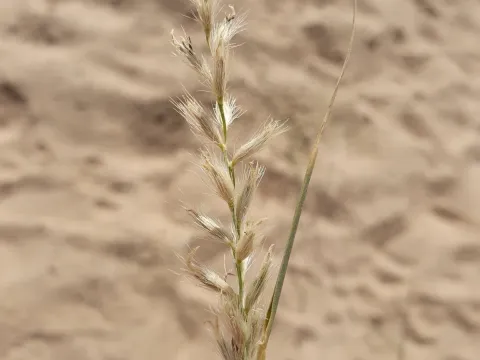
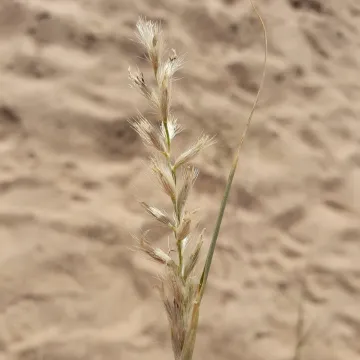
Botanically, the plant develops a dense, fibrous root system that effectively captures subsurface moisture. Its morphology includes slender leaves and a characteristic spiny, spike-like panicle. These spines, which protect the seed head, allow the plant to thrive in harsh environments by ensuring the safety of its reproductive organs from some herbivores and environmental stressors.
Agronomic requirements for Cenchrus divisus are relatively low compared to intensive crops. It thrives in well-drained sandy or loamy soils and requires full solar exposure for optimal development. Planting should be timed to coincide with the start of the rainy season to establish deep roots before the intense heat arrives. Proper management includes avoiding waterlogged fields, as the root system is susceptible to decay in stagnant, overly saturated soil.
The agricultural and economic utility of the crop is multi-faceted:
- Serving as a highly resilient forage source for livestock such as cattle and goats.
- Stabilizing loose soil and preventing wind erosion in desertified landscapes.
- Functioning as a pioneer species in land reclamation and environmental restoration projects.
- Providing biomass for supplementary animal feed during dry spells.
As for pests and diseases, the plant is generally robust but can be affected by various rust fungi under conditions of high humidity and poor ventilation. Common pests include root-feeding larvae and various orthopterans that can graze on the foliage. Integrated pest management, focusing on proper spacing and crop rotation, remains the most effective strategy for maintaining high yield levels.
Photo gallery