Cenchrus myosuroides
Cenchrus myosuroides
Description
Cenchrus myosuroides is a perennial herbaceous plant belonging to the Poaceae (grass) family. This species is recognized for its significant role in forage production, particularly in regions where environmental stress limits the growth of more demanding agricultural crops.
Originating from the tropical and subtropical regions of the Americas, the species has a natural range that extends across various arid and semi-arid environments. It has been successfully introduced into other similar global climates, where it is utilized for both conservation purposes and extensive livestock grazing.
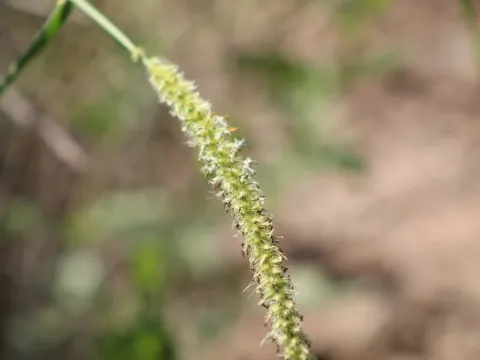
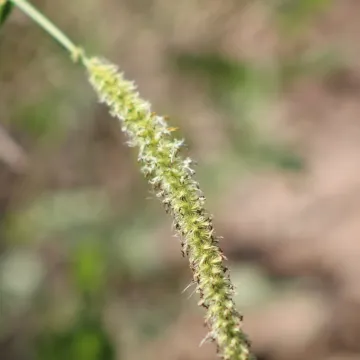
Botanically, the plant is characterized by a sturdy root system and upright culms forming dense clumps. The inflorescence is a distinct spike-like panicle, covered with stiff bristles that provide protection for the spikelets. This structure is a typical adaptation to environments where moisture retention is critical for survival.
Regarding cultivation, Cenchrus myosuroides requires ample sunlight and warm temperatures to thrive. It is particularly well-adapted to light-textured, well-drained soils, such as sands and sandy loams. Agrotechnical management includes proper seedbed preparation and nitrogen fertilization to ensure rapid establishment and biomass accumulation.
The primary agricultural use of the plant is in the livestock industry as a source of pasture and hay. It provides excellent nutritional value for ruminants and is highly regarded for its ability to recover after grazing or mowing. While generally hardy, the crop can be susceptible to root rot in waterlogged conditions and may be affected by specialized insect pests common to native grasses.
Photo gallery