Wedge-leaved knapweed
Centaurea cuneifolia
Description
The wedge-leaved knapweed (Centaurea cuneifolia) is a perennial herbaceous plant belonging to the Asteraceae family. Known for its distinct morphological traits, this species has adapted to challenging environments, marking it as a subject of interest for both botanical research and specialized horticulture in arid regions.
The plant originates from the Balkan Peninsula, naturally occurring on rocky outcrops and in dry, Mediterranean-style habitats. Its range is defined by regions with harsh, dry summers and cool winters, forcing the plant to develop high resilience against drought and nutrient-poor soils. This natural hardiness is a defining feature of the species' biology.
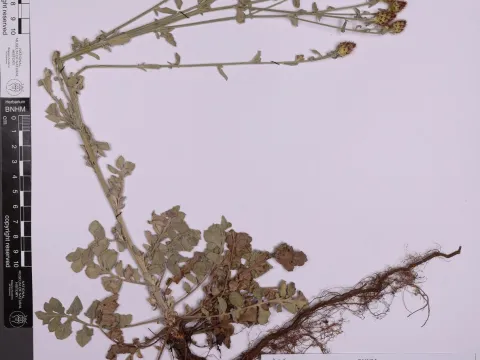
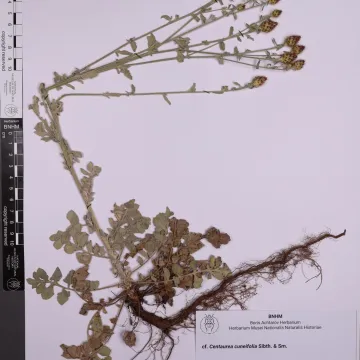
Botanically, the plant is identified by its wedge-shaped leaves, which provide the specific epithet cuneifolia. The stems are typically upright and coated with fine hairs (pubescence), which assist in moisture retention and reflection of excessive sunlight. The flowering heads consist of small tubular florets, creating a vibrant bloom that is highly attractive to local pollinators, including wild bees and butterflies.
Cultivation requirements are strict regarding drainage and light exposure. The species thrives in well-drained, gritty soils with a neutral to slightly alkaline pH. It is highly sensitive to waterlogging, making it unsuitable for heavy clay soils unless heavily amended with coarse sand or gravel. In an agricultural or garden setting, minimal intervention is required, as the plant is adapted to survive on very low levels of moisture and fertility.
Economically, Centaurea cuneifolia is valued primarily for its use in rock gardens and sustainable xeriscaping. Beyond its aesthetic appeal, there is ongoing interest in the chemical composition of the plant, specifically regarding its potential bioactive compounds. Common threats to the health of the plant include fungal pathogens such as powdery mildew in humid weather, and pests like aphids which can colonize the inflorescences during the active growing season.
Photo gallery