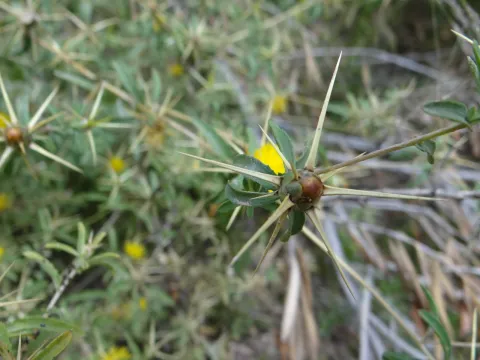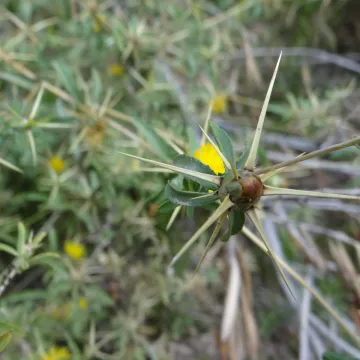
Centaurea hyalolepis
Centaurea hyalolepis
Description
Centaurea hyalolepis is a herbaceous flowering plant belonging to the Asteraceae family. This species is part of the diverse Centaurea genus, widely known for its unique flower head structures. As an agricultural and botanical subject, it is valued for its resilience and ability to thrive in challenging environmental conditions where other crops might fail.
The plant originates from the Middle East and regions of Western Asia, occupying arid and semi-arid niches. Its natural habitat includes rocky slopes and open steppe environments. This historical origin explains its excellent adaptation to heat, high UV radiation, and long periods of water scarcity, which are characteristic of its native geographical range.
Botanically, Centaurea hyalolepis displays a robust taproot system and a sturdy, upright stem. The foliage is often pubescent, helping the plant reduce transpiration. The most distinct morphological feature is the involucre of the flower head, which has translucent, membranous margins on the bracts, distinguishing it from other similar species within the genus.
Cultivation practices for this species focus primarily on providing optimal drainage and full sun exposure. It is highly intolerant of waterlogged soils, which can lead to rapid fungal decay of the roots. The ideal soil structure should mimic its native habitat: coarse, well-draining, and slightly alkaline, with a low to moderate nutrient content to prevent excessive, weak growth.
Main usage includes potential ornamental application in xeriscaping or as a honey plant in arid agricultural zones. Pest management involves monitoring for aphids and common fungal leaf spots. Effective agricultural strategy dictates avoiding high-humidity microclimates and ensuring sufficient plant spacing to promote air circulation, which helps maintain plant vigor and health.
Photo gallery