Centaurea limbata
Centaurea limbata
Description
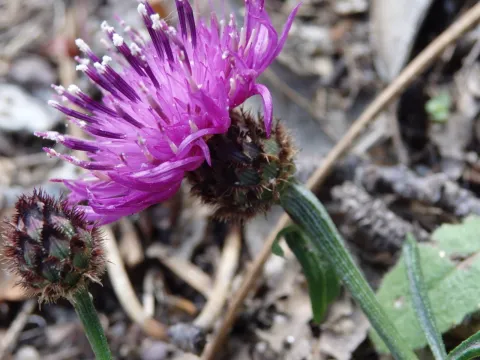
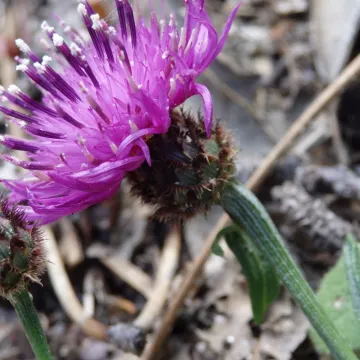
Centaurea limbata is a perennial herbaceous plant belonging to the Asteraceae family. Within the agricultural and horticultural sector, it is valued for its hardiness and distinctive aesthetic features, specifically the fringed bracts that surround its flower heads, setting it apart from other species of the genus Centaurea.
The plant originates from mountainous and steppe regions of Eurasia. In terms of cultivation, it is primarily adapted to temperate climates, where it serves both as an ornamental plant in landscaping and as a beneficial nectar source for pollinators, supporting local biodiversity in meadows and restored habitats.
Botanically, Centaurea limbata is characterized by a strong taproot system that enables it to thrive in arid conditions. The stems are typically erect, reaching heights of 60 to 80 cm, and are covered in fine pubescence. The foliage is generally lanceolate or pinnately lobed, while the flower heads are prominent, displaying the specialized, fringed scales that are characteristic of the species.
Regarding cultivation, the plant prefers well-drained, lime-rich loamy or sandy soils with moderate fertility. Its agronomy is relatively straightforward: it requires full sun exposure and minimal irrigation once established. Cultivation involves basic weed management and periodic thinning to ensure good air circulation, which is crucial for the plant's overall health and vigor.
The primary agricultural and economic use of this plant is focused on xeriscaping, erosion control on slopes, and support for apiaries. While it is naturally robust, growers should monitor for specific issues:
- Powdery mildew under conditions of high humidity and poor ventilation.
- Aphid infestations on tender floral buds.
- Rust fungi in densely packed or neglected agricultural plots.
Photo gallery