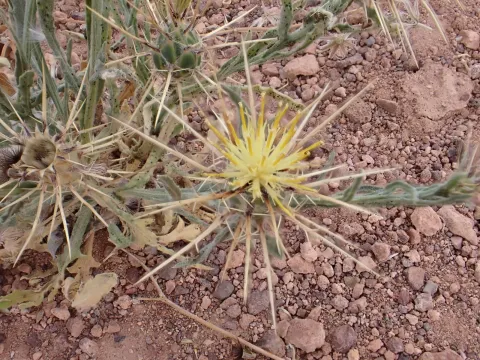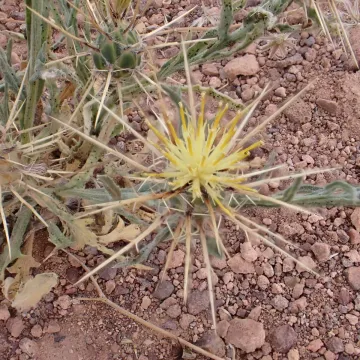
Moroccan cornflower
Centaurea maroccana
Description
The Moroccan cornflower (Centaurea maroccana) is an attractive herbaceous plant belonging to the Asteraceae family. Known for its distinct appearance and resilience, this species has gained popularity in ornamental horticulture as a reliable decorative element that brings a touch of Mediterranean charm to various landscapes.
The plant originates from Northern Africa, specifically Morocco, where it has evolved to thrive in arid and semi-arid environments. Its natural habitat includes rocky slopes and dry meadows, which has endowed the species with remarkable drought tolerance and the ability to flourish under intense solar radiation.
Botanically, it is characterized by its stiff, upright stems and pinnately lobed foliage, which often features a fine pubescence. The flowers are arranged in compact heads that exhibit vivid coloration, making them highly attractive to pollinators such as bees and butterflies, thereby supporting local biodiversity in garden environments.
In terms of agricultural requirements, the Moroccan cornflower demands full sun exposure and well-draining soil. It is particularly well-suited for sandy or gravelly loam substrates. Proper maintenance involves avoiding over-irrigation, as the plant is highly susceptible to root damage if the soil remains waterlogged for extended periods.
Its primary use is in landscaping, specifically for rock gardens, wildflower meadows, and low-maintenance borders. While generally robust, gardeners should be aware of potential issues:
- Root rot occurring in heavy or poorly drained soils.
- Aphid infestations during dry spells in early summer.
- Powdery mildew if plant spacing is too dense, reducing airflow.
Photo gallery