Centaurea raphanina
Centaurea raphanina
Description
Centaurea raphanina is a herbaceous plant belonging to the Asteraceae family. Known in Greece as stamnagathi, this species has gained significant popularity as a high-value wild green vegetable, prized for its unique nutritional profile and characteristic bitter flavor.
Originating from the Eastern Mediterranean, this plant is primarily found in rocky terrains, coastal cliffs, and abandoned agricultural lands in Greece and Crete. It is exceptionally well-adapted to Mediterranean climates, thriving in poor, calciferous soils that receive little moisture during the summer months.
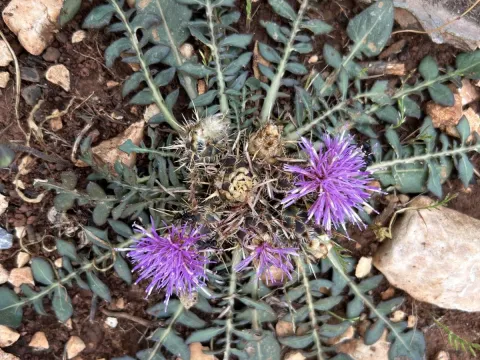
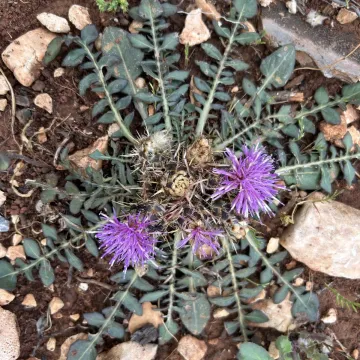
Botanically, it features a basal rosette of deeply pinnatifid, often pubescent leaves. The plant develops a robust taproot system that allows it to survive extreme environmental stress. During the flowering stage, it produces characteristic thistle-like flower heads in shades of pink, purple, or white.
Agricultural requirements focus on soil drainage and sunlight exposure. While it grows wild, systematic cultivation involves seeding in autumn or early winter. It requires minimal fertilizer, as it is adapted to nutrient-poor soils. The plant is naturally resistant to many pests and diseases due to its bitter secondary metabolites, making it an excellent candidate for organic farming.
The economic and culinary utility of Centaurea raphanina is significant in regional food systems:
- Consumed as a fresh salad green, often paired with olive oil and lemon.
- Boiled or steamed as a traditional side dish for grilled fish and meats.
- Incorporated into savory pies (hortopita) and local recipes.
- Valued for its antioxidant properties and high vitamin content.
- Provides a stable harvest during cooler seasons when other crops are dormant.
Photo gallery