Centaurea redempta
Centaurea redempta
Description
Centaurea redempta is a perennial herbaceous plant belonging to the Asteraceae family. In an agricultural context, this species is recognized for its potential in specialized gardening, ecological restoration, and as a beneficial insect attractant in managed landscapes and biodiversity-focused farms.
The native range of this species is primarily located within the steppe regions of Southeastern Europe. The plant is well-adapted to moderate continental climates, characterized by significant sun exposure and seasonal precipitation patterns that support its life cycle from spring germination to late summer flowering.
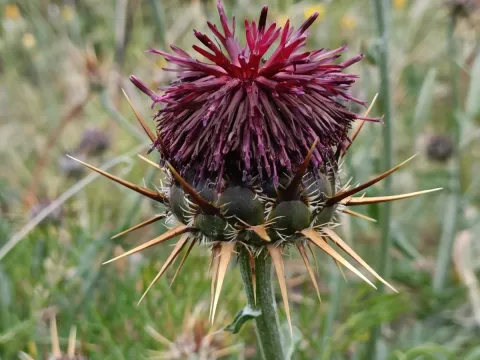
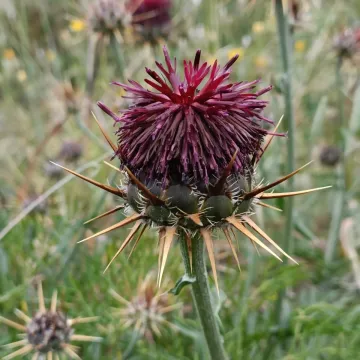
Botanically, the plant features sturdy, upright stems and characteristic Asteraceae flower heads. Its foliage is often pubescent, a specialized trait that helps minimize water loss through transpiration, allowing the plant to maintain health and vigor even during prolonged dry spells common in its natural habitat.
Cultivation requirements involve well-drained, nutrient-rich soils with a neutral or slightly alkaline pH level. Agronomic management relies on maintaining soil moisture levels during the peak growth phase and ensuring adequate spacing to promote airflow, which is critical for preventing common fungal outbreaks, such as powdery mildew, that can affect this genus.
The plant is highly valued for its role in sustainable agriculture as a reliable nectar source, which supports local pollinator populations. Its hardy nature makes it a low-input crop, requiring minimal chemical intervention for pest control, provided that crop rotation and field hygiene practices are implemented to manage occasional threats like aphids or root rot pathogens.
Photo gallery