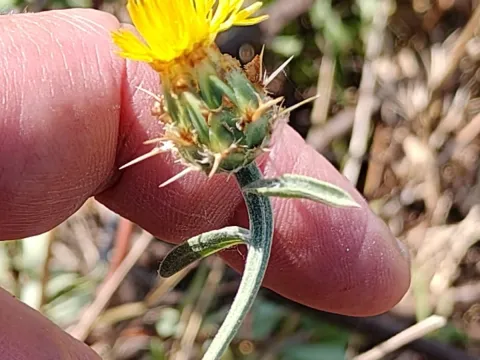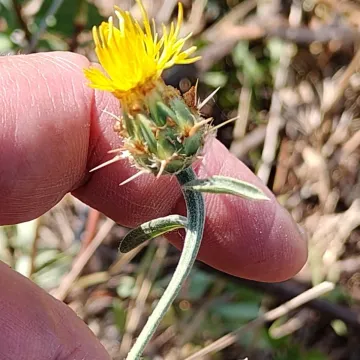
Sicilian cornflower
Centaurea sicula
Description
The Sicilian cornflower (Centaurea sicula) is a herbaceous plant belonging to the Asteraceae family. This species is particularly noted for its resilience and its typical Mediterranean growth habit, making it an interesting subject for both botanical studies and specialized ornamental landscaping.
Originating from the Mediterranean basin, specifically Sicily and adjacent regions, the plant has evolved as a xerophyte. Its natural habitat includes rocky slopes and arid grasslands, which dictates its preference for well-drained, nutrient-poor substrates and full sun exposure throughout the growing season.
Botanically, Centaurea sicula displays a robust stem structure with characteristic capitulum inflorescences. Unlike the common blue cornflower, this species typically produces yellow or cream-colored flowers. The plant's foliage is often pubescent, a structural adaptation that helps in moisture retention and protection against high solar radiation.
Cultivation requirements are strict regarding moisture management; the soil must be porous and alkaline, ideally mimicking rocky limestone environments. Irrigation should be kept to a minimum to prevent physiological stress. Proper spacing is essential to ensure adequate airflow around the plants, which reduces the risk of fungal outbreaks.
While primarily used in decorative horticulture, the plant is valued for its ability to thrive where other species fail. Growers should monitor for common agricultural pests such as aphids during the vegetative stage and implement preventative measures against powdery mildew if the humidity remains consistently high for prolonged periods.
Photo gallery