Centrolobium paraense
Centrolobium paraense
Description
Centrolobium paraense is a prominent tropical tree species belonging to the Fabaceae family. It is highly regarded in international forestry for its dense, high-quality timber, which exhibits exceptional durability and unique aesthetic properties. As an indigenous species of tropical ecosystems, it plays a vital role in maintaining regional biodiversity while serving as a source of premium wood products.
The native range of this tree is predominantly within the humid forests of South America, specifically in parts of Brazil and the Amazon basin. It thrives in regions characterized by high rainfall and stable, warm temperatures throughout the year. While primarily harvested from natural stands in the past, modern forestry is increasingly focused on sustainable plantation management for this species.
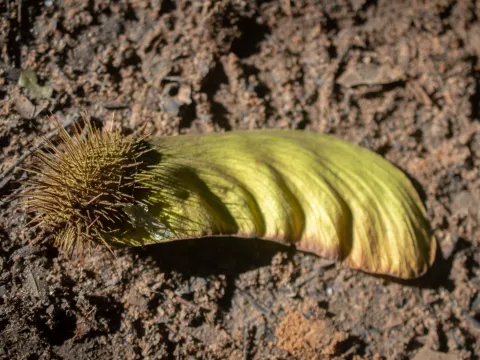
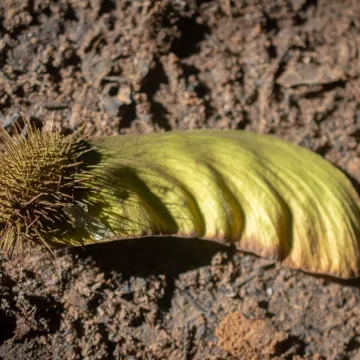
Botanically, the species is defined by its tall, straight trunk and wide, spreading canopy. The leaves are typically pinnate, and the tree produces characteristic winged fruits that facilitate seed dispersal. Its growth rate is moderate, yet the density of the wood increases significantly as the tree matures, making it a valuable long-term investment for timber producers.
Regarding cultivation requirements, Centrolobium paraense demands deep, nutrient-rich, and well-drained soils to prevent root suffocation. It is sensitive to waterlogging and requires consistent moisture during the early stages of establishment. In plantation settings, providing adequate spacing and initial shading for saplings is essential to ensure a healthy growth trajectory and straight stem development.
The economic value of this tree is largely derived from its high-quality timber, which is sought after for various luxury applications:
- Crafting high-end furniture and cabinet-making.
- Manufacturing premium flooring and interior paneling.
- Creating specialty musical instruments.
- High-grade joinery and decorative carpentry.
Disease and pest management are critical aspects of Centrolobium paraense husbandry. Fungal infections, often exacerbated by high humidity and poor airflow, can affect both seedlings and mature trees. Additionally, various wood-boring insects and defoliators pose potential risks. Implementing an integrated pest management program, including periodic inspection and site sanitation, is essential for maintaining a healthy forest stand.
Photo gallery