Ipecac
Cephaelis ipecacuanha (Brot.) Tussac
Description
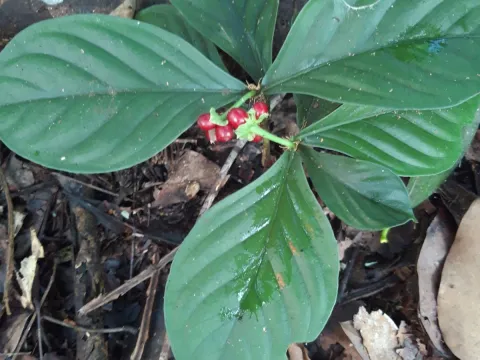
Ipecac, or Cephaelis ipecacuanha, is a medicinal plant belonging to the Rubiaceae family. This evergreen tropical shrub is globally recognized in the pharmaceutical industry for its roots, which are a primary source of medically significant alkaloids, specifically emetine and cephaeline.
The plant originates from the dense, humid rainforests of Brazil. Today, it is cultivated in select tropical regions that offer the specific microclimate necessary for its development, including parts of India and Southeast Asia. It is a highly sensitive crop that requires a stable, warm environment to thrive.
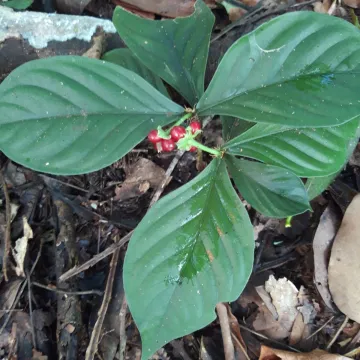
Botanically, the plant features a creeping rhizome with slender, ringed roots that store the majority of the active chemical compounds. The foliage consists of dark green, opposite leaves, while the flowers are small, white, and arranged in dense heads. The growth cycle is slow, and plants typically require a multi-year period before they reach the optimal concentration of alkaloids.
Cultivation requirements are strict: the plant necessitates deep shade, high atmospheric humidity, and well-drained, humus-rich acidic soils. Because of its sensitivity to light and temperature fluctuations, it is often grown in greenhouse conditions or under specially managed forest canopies to mimic its natural habitat.
The industrial usage of this culture is almost exclusively focused on pharmacy. Its products serve several critical purposes:
- Formulation of expectorant medications for respiratory relief.
- Preparation of anti-amoebic drugs to combat parasitic infections.
- Use in specialized pharmaceutical applications requiring precise alkaloid dosages.
Agronomic challenges primarily involve fungal infections and root rot, often triggered by excessive soil moisture. Pests such as nematodes and various sap-sucking insects can significantly impact yields if not managed through rigorous integrated pest management practices. Successful production relies on maintaining a pristine soil environment and preventing any waterlogging.
Photo gallery