Joppa scabious
Cephalaria joppica
Description
Joppa scabious (Cephalaria joppica) is a perennial herbaceous plant belonging to the Caprifoliaceae family. It is increasingly recognized in agricultural and horticultural circles for its robustness, ecological utility, and structural beauty in diverse planting schemes.
Native to the Eastern Mediterranean region, this species is well-adapted to Mediterranean climates characterized by hot, dry summers and mild, wet winters. Its natural habitat includes rocky slopes and meadows, which highlights its inherent durability and ability to thrive in challenging soil conditions.
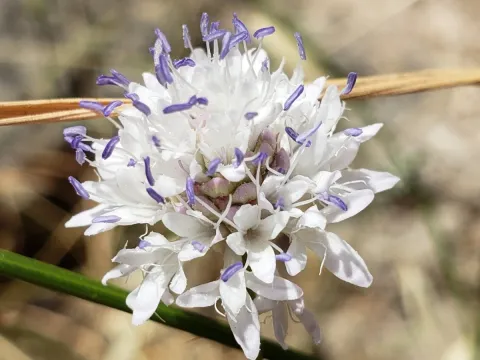
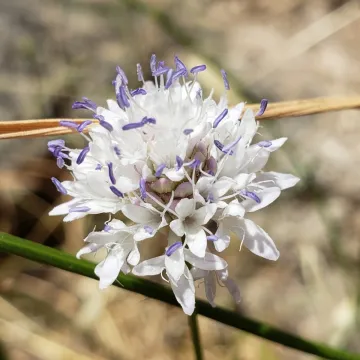
Botanically, Cephalaria joppica is distinguished by its upright, sturdy stems and large, globose flower heads that typically display soft yellow or creamy hues. The foliage is deeply divided, providing an elegant texture that complements its impressive vertical growth during the mid-to-late summer blooming period.
Regarding cultivation requirements, the plant prefers well-draining soils with moderate fertility. While it exhibits significant drought tolerance once established, consistent moisture during the early establishment phase is crucial. Standard agricultural practices, such as weed management and organic fertilization, are sufficient to promote vigorous growth.
In terms of usage, the Joppa scabious serves as an excellent pollinator attractant, making it a valuable addition to nectar-rich planting programs. While generally hardy, cultivators should be alert to potential issues such as fungal root rots in heavy soils and the presence of common pests like aphids, which are easily managed with integrated pest control measures.
Photo gallery