Cephalaria squamiflora
Cephalaria squamiflora
Description
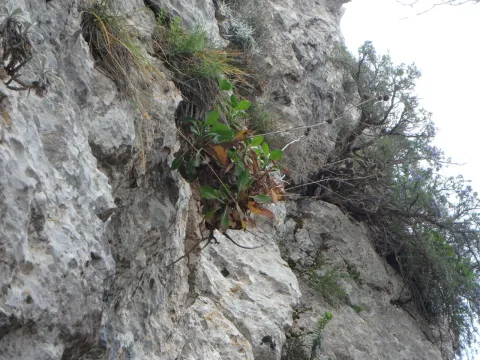
Cephalaria squamiflora is a perennial herbaceous plant belonging to the Caprifoliaceae family. Known for its distinct structural morphology, this species is increasingly recognized by botanists and horticulturists for its resilience and unique floral display. While not a primary field crop, it serves as an important subject for ecological studies and specialty plant nurseries.
The botanical profile of the plant features sturdy, erect stems and pinnately lobed leaves that provide significant structural integrity. The most characteristic feature is the flower head, which contains numerous small florets protected by specialized bracts. This evolutionary adaptation allows the plant to thrive in dry conditions and protects the reproductive organs from environmental fluctuations.
Native to the Mediterranean regions, the plant is naturally adapted to climates with dry, warm summers and mild winters. Its geographical range and potential for cultivation extend across areas with well-drained, lime-rich soils. Successful cultivation relies on replicating these Mediterranean-like conditions to ensure the plant reaches its full physiological potential during the growing season.
In terms of agricultural management, the crop requires minimal intervention once established. It prefers full sun exposure and sandy or loamy soils with a neutral to alkaline pH. Proper site selection is crucial to prevent root zone saturation, as the species is highly susceptible to root decay if drainage is poor. Irrigation should be managed conservatively, specifically during periods of extreme drought.
The primary utility of the species lies in landscaping and potential phytochemical research. Growers should monitor for common horticultural threats, which include:
- powdery mildew during periods of stagnant humidity;
- aphid infestations affecting terminal buds;
- spider mite attacks under high temperature conditions.
Photo gallery