Ural cephalaria
Cephalaria uralensis
Description
Ural cephalaria (Cephalaria uralensis) is a perennial herbaceous plant belonging to the Caprifoliaceae family. Within agricultural systems, this plant is recognized as a hardy forage crop and a high-quality honey plant, capable of thriving in harsh environmental conditions that are often unsuitable for conventional crops.
The plant originates from the steppe and forest-steppe regions of Eurasia, specifically throughout the Ural mountains, Siberia, and Central Asia. Its natural habitat includes dry grasslands and rocky slopes, which has resulted in its evolution into a drought-tolerant and winter-hardy species, making it an excellent candidate for restoration ecology and low-input farming.
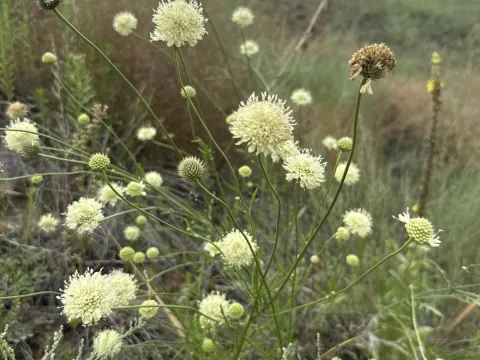
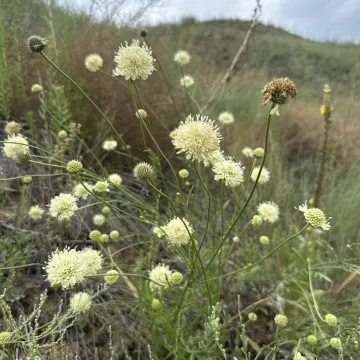
Botanically, the plant features a robust taproot system that facilitates efficient moisture uptake in dry periods. It possesses erect, branched stems that grow up to 120 cm in height, characterized by pinnately divided basal leaves. The inflorescences are dense, spherical heads composed of numerous pale yellow flowers, which serve as a significant source of nectar for local pollinators.
Regarding cultivation requirements, Ural cephalaria thrives in well-drained, fertile, or loamy soils with a neutral pH. It is highly resistant to heat and requires minimal irrigation once established. Standard agronomic practices involve weed control during the seedling stage and ensuring adequate spacing to avoid fungal issues caused by poor air circulation. It responds well to moderate nitrogen and phosphorus fertilization.
- Exceptional drought and frost tolerance.
- High-value nectar source for various bee species.
- Potential use for soil stabilization on sloped terrain.
- Persistent biomass production in semi-arid zones.
The primary economic use is as a component of diverse forage mixtures, contributing to stable hay yields during dry seasons. Common plant diseases include rusts and leaf spot pathogens, typically triggered by high humidity levels. Management practices focus on maintaining optimal plant density and ensuring proper field drainage to mitigate pest and disease outbreaks, such as aphids that may target the inflorescences.
Photo gallery