Oklahoma redbud
Cercis reniformis
Description
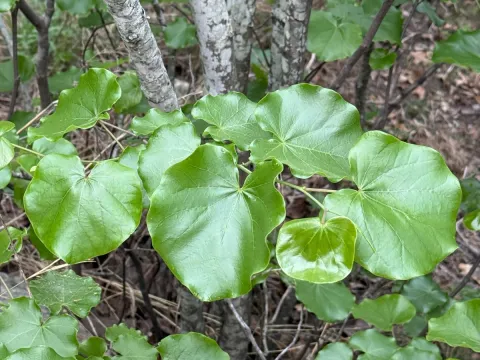
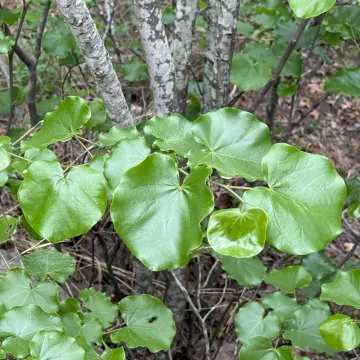
Oklahoma redbud (lat. Cercis reniformis) is a deciduous perennial tree or large shrub belonging to the Fabaceae family. It is a highly valued ornamental species, known for its distinctively shaped, glossy, heart-like leaves and its remarkable resilience in challenging environmental conditions compared to other redbud species.
The plant is native to the central and southern regions of North America, particularly Oklahoma and Texas. Because of its native habitat, it has developed excellent tolerance for heat and dry conditions. It is widely cultivated for its ability to thrive in alkaline soils, making it a preferred choice for landscaping in areas where other ornamental trees might struggle.
Botanically, this species is characterized by its kidney-shaped leaves with a thick, shiny texture that turns a brilliant yellow in the autumn. It blooms in early spring before the leaves emerge, with clusters of deep, rose-magenta flowers appearing directly on the woody branches. Following the bloom, it produces flat, papery seed pods that often persist throughout the winter.
The cultivation requirements focus on providing a site with full sun to partial shade and excellent drainage. The tree prefers neutral to slightly alkaline, well-draining soil. Proper maintenance includes routine pruning to encourage a strong structure and monitoring soil moisture levels to avoid root rot, which is the most common physiological problem encountered in poorly drained sites.
In terms of practical use, the Oklahoma redbud is primarily utilized in urban forestry and residential landscaping as a specimen tree or in group plantings. Its extreme heat tolerance makes it a valuable asset for Southern gardens. Furthermore, as a legume, it contributes to soil health through symbiotic nitrogen fixation, which benefits the surrounding garden ecosystem.
- Exceptional heat and drought tolerance
- Glossy, vibrant foliage
- Adaptability to alkaline soils
- Highly ornamental early spring blooms
Photo gallery