Cerinthe tenuiflora
Cerinthe tenuiflora
Description
Cerinthe tenuiflora is a distinctive herbaceous plant belonging to the Boraginaceae family. Known for its elegant form and unique tubular flowers, this species represents an interesting niche in modern horticulture. Its biological structure and development cycles allow it to thrive in environments that mirror its native Mediterranean habitats.
The plant originates from arid and semi-arid regions, primarily distributed across the Mediterranean basin and Western Asia. In agricultural settings, it is often utilized for its ability to grow in poor or rocky soils where other traditional crops might struggle. Its environmental adaptability has made it a subject of interest for sustainable farming initiatives seeking to improve local pollinator populations.
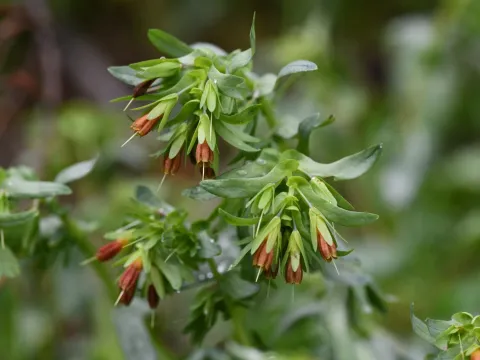
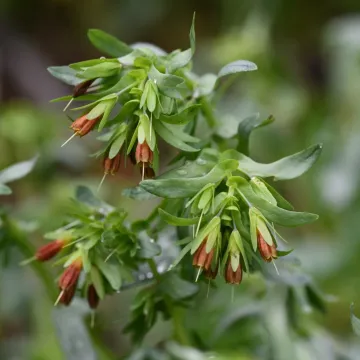
Botanically, Cerinthe tenuiflora is recognized for its foliage, which often features a glaucous, waxy bloom that provides natural protection against water loss. The flowers are typically arranged in drooping racemes, showcasing colors that can vary throughout the plant's blooming period. This visual dynamic, combined with its nectar production, makes it highly functional in ecological agricultural planning.
Cultural requirements emphasize the need for excellent drainage. This plant is well-suited to climates with warm, dry summers and requires exposure to full sun to maintain its structural integrity and color vibrancy. Over-fertilization should be avoided, as the plant is adapted to nutrient-moderate soils; instead, focus on maintaining the appropriate soil structure to prevent root-zone suffocation during the colder months.
The main pests that affect this crop include mollusks, such as slugs and snails, which are particularly active during the germination phase. To minimize losses, farmers should implement preventative measures like clearing debris around the planting area and monitoring moisture levels. Diseases are largely limited to root rots caused by waterlogged soil, emphasizing the importance of site selection and drainage management.
Photo gallery