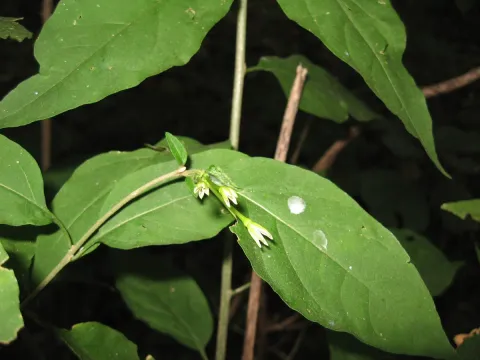
Cestrum alternifolium
Cestrum alternifolium
Description
Cestrum alternifolium is an evergreen woody shrub belonging to the Solanaceae (nightshade) family. Known for its distinct botanical structure and ornamental value, this species is a popular choice for conservatory settings and specialized gardens in warmer climates where the plant can express its full growth potential.
The origin of this culture is traced back to the tropical regions of Central and South America. Within its native range, the plant typically inhabits forest margins and sunny clearings. This evolutionary background dictates its preference for high humidity, stable warm temperatures, and adequate exposure to sunlight throughout the growing season.
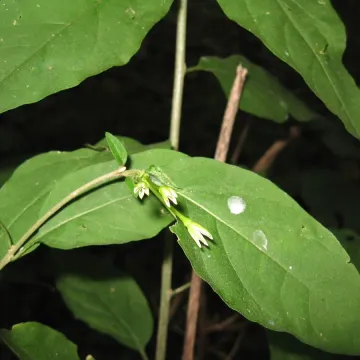
From a botanical standpoint, the plant is characterized by its alternate leaf arrangement, which gives it a unique aesthetic appeal. The inflorescences consist of tubular-shaped flowers that are often noted for their pleasant fragrance. Its root system is moderately aggressive, requiring sufficient space to maintain vigor and overall plant health in containerized environments.
Cultivation of Cestrum alternifolium requires a focus on soil aeration and drainage. It thrives in fertile, nutrient-rich substrates with a slightly acidic to neutral pH. Proper agrotechnical management involves balanced fertilization during the peak growth phase and protection from sudden temperature drops, which can cause significant stress to the foliage and buds.
The primary use for this species is decorative, often employed as a centerpiece in landscape design or as a botanical specimen in greenhouse production. Maintaining a healthy plant requires vigilant monitoring of potential stressors, including:
- spider mites
- aphids
- whiteflies
- scale insects
Photo gallery