Cestrum elegans
Cestrum elegans
Description
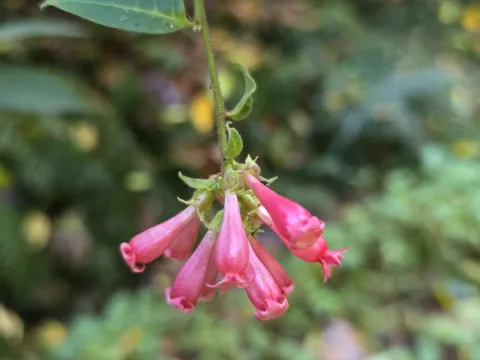
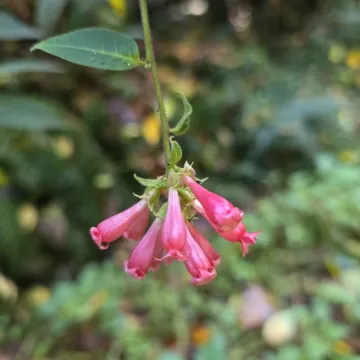
Cestrum elegans, commonly known as the red cestrum or purple cestrum, is an evergreen ornamental shrub belonging to the Solanaceae family. It is widely recognized for its striking clusters of tubular, deep pink to magenta flowers that bloom profusely, making it a favorite for ornamental garden displays.
Originating from Mexico, this plant thrives in tropical and subtropical climates. While it can be grown outdoors in frost-free regions, it is frequently cultivated as a container plant in temperate zones, allowing it to be moved indoors or into greenhouses during colder months to protect it from freezing temperatures.
Botanically, Cestrum elegans is characterized by its branching stems that can reach significant heights if left unpruned. Its leaves are ovate to lanceolate, with a soft texture. The flowers are arranged in terminal clusters, and they emit a subtle, sweet fragrance, particularly as evening approaches, adding sensory value to garden spaces.
Successful cultivation requires a location with bright, indirect light to full sun. The plant demands a well-draining, nutrient-rich potting mix or garden soil. Consistent moisture is essential during the growing season; however, gardeners must avoid waterlogging, which can lead to root system decay. Periodic pruning is recommended to maintain a compact shape and encourage denser flowering.
Like many members of the Solanaceae family, this plant can be susceptible to various pests, including aphids, spider mites, and whiteflies. Proper management involves:
- Regular monitoring of the foliage for early signs of infestation.
- Application of horticultural soaps or systemic insecticides when necessary.
- Maintaining optimal humidity levels to prevent fungal diseases.
- Ensuring adequate spacing between plants for proper air circulation.
Photo gallery