Cestrum fasciculatum
Cestrum fasciculatum
Description
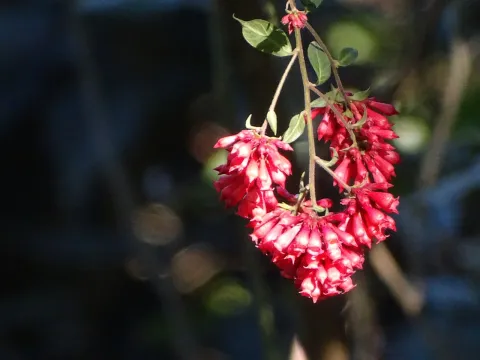
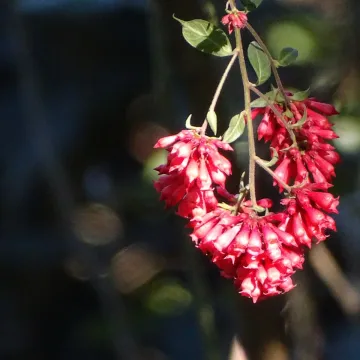
Cestrum fasciculatum is an evergreen shrub belonging to the Solanaceae family. Often referred to as the cluster-flowered cestrum, this plant is highly regarded in horticulture for its striking, tubular red-to-fuchsia flowers that bloom in terminal clusters, providing a vibrant visual impact.
The species originates from the mountainous regions of Mexico. In its natural habitat, it thrives in cool, humid environments. Because of its specific climate requirements, it is widely grown as a conservatory or greenhouse plant in regions where winters are too cold for outdoor cultivation.
Botanically, the plant is characterized by its woody stems and large, ovate, slightly hairy leaves. It grows typically as an upright shrub, reaching heights of 1.5 to 3 meters. The inflorescences consist of tightly packed flowers, which are the main feature that distinguishes it from other species within the genus Cestrum.
Agricultural and horticultural success with Cestrum fasciculatum depends on well-draining, nutrient-rich soil with a neutral pH. The plant requires bright, filtered light and consistent moisture levels. During the active growing season, it benefits from balanced fertilization to support its rapid development and heavy flowering.
Common issues in cultivation involve pest infestations, primarily aphids, spider mites, and whiteflies, which tend to flourish if air circulation is poor. Overwatering is a significant risk, as the roots are prone to rot if kept in waterlogged conditions; therefore, proper drainage management is essential for long-term health.
Photo gallery