Cestrum laevigatum
Cestrum laevigatum
Description
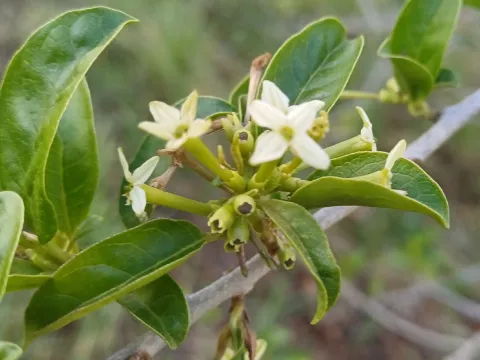
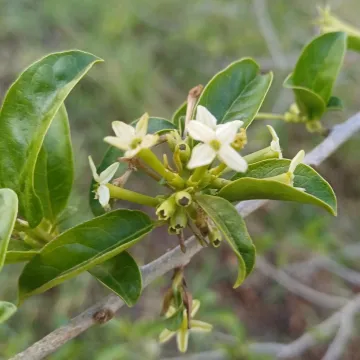
Cestrum laevigatum is an evergreen shrub or small tree belonging to the Solanaceae family. Known for its lush foliage and distinct, fragrant flowers, this plant is a notable representative of the genus, primarily found in the warmer latitudes of the South American continent.
The origin of this species is linked to the Brazilian rainforests and surrounding regions, where it thrives in humid, frost-free environments. Its distribution has expanded to various botanical gardens and private collections worldwide, where it is appreciated for its aesthetic value in landscape design.
Botanically, it is characterized by simple, smooth, dark green leaves and elongated tubular flowers that release a potent scent, especially at twilight. The plant produces small, fleshy berries, which is typical for many members of the Solanaceae family, serving as a primary means of reproduction in nature.
Agricultural requirements for Cestrum laevigatum focus on maintaining a temperate environment and consistent soil moisture. It performs best in well-drained, nutrient-rich soils and requires adequate space to develop its canopy, as it can grow quite vigorously if provided with sufficient light.
- Ensuring a location with partial sunlight to light shade.
- Maintaining consistent irrigation without waterlogging.
- Applying balanced fertilization during the active growing season.
- Pruning back after flowering to promote denser branching.
In terms of хозяйственного (economic/utility) use, the plant is primarily cultivated for ornamental purposes. It acts as a focal point in tropical garden arrangements. However, it is essential to note that the plant contains toxic alkaloids, requiring careful handling during maintenance and preventing ingestion by livestock or pets.
Common phytosanitary issues include infestations by aphids, whiteflies, and spider mites, which can be mitigated through regular scouting and appropriate environmental control. Fungal root diseases can occur if the substrate is excessively compacted, making proper soil aeration and drainage critical for successful long-term cultivation.
Photo gallery