Ceylon Gooseberry
Dovyalis hebecarpa (Gardner) Warb.
Description
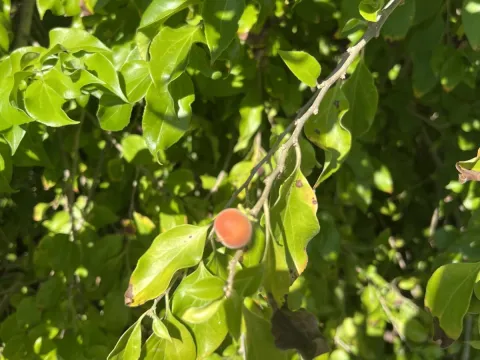
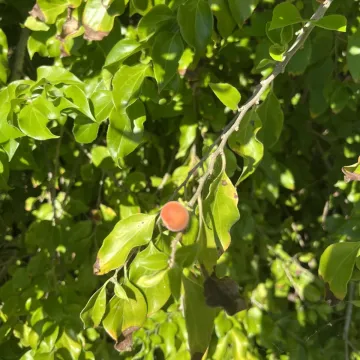
Ceylon Gooseberry (Latin: Dovyalis hebecarpa) is a tropical shrub belonging to the Salicaceae family. Known for its small, dark, and velvety-skinned fruits, this plant is a staple in many tropical gardens, valued both for its culinary utility and its potential as an impenetrable, defensive hedge due to its long and sharp spines.
The plant originates from Sri Lanka and has been introduced to many tropical and subtropical regions across the globe, including India, Southeast Asia, and parts of the United States like Florida and Hawaii. It thrives in warm, humid environments and exhibits a high level of environmental plasticity, capable of tolerating mild cold spells that would damage more sensitive tropical species.
Botanically, the Ceylon Gooseberry grows as a dense, evergreen shrub reaching heights of up to 5 meters. Its leaves are alternate and simple, while the fruit is a berry about 2-3 cm in diameter. The fruit's exterior is covered in soft, hair-like fuzz, and its flesh is soft, juicy, and highly acidic, making it a distinct ingredient in various food preparations.
Agricultural requirements for this crop include well-draining, fertile, and slightly acidic soils. While it shows good drought tolerance once established, consistent moisture is necessary to ensure optimal fruit development and size. Routine pruning is highly recommended, not only to maintain the desired shape and size but also to mitigate the difficulty of manual harvesting caused by the shrub's aggressive thorns.
The culinary applications of Ceylon Gooseberry are diverse, primarily driven by its high pectin and vitamin C content. Because the fruit is quite tart, it is rarely consumed fresh but is widely utilized for:
- Producing high-quality jams, preserves, and jellies;
- Making refreshing juices and refreshing beverages;
- Creating savory sauces and chutneys;
- Candying as a dessert topping.
Pest and disease management for Dovyalis hebecarpa involves monitoring for common pests such as aphids, mealybugs, and scale insects. Maintaining good air circulation within the canopy through proper pruning helps prevent fungal infections, which are often the result of stagnant humidity. With basic attention to soil fertility and hygiene, it is a relatively low-maintenance crop for tropical regions.
Photo gallery